A car can feel almost human at times. It groans on cold mornings, hums happily on open roads, and protests when neglected too long. Beneath that familiar rhythm, though, a quiet protector does vital work every second the engine runs. That protector is engine oil. It does not sparkle like fresh paint or roar like a tuned exhaust, yet it may be one of the most important fluids your vehicle will ever need.

When you think about car maintenance, it is easy to focus on visible things: tyre tread, brake pads, windshield wipers. But the hidden systems matter just as much, and sometimes more. The truth is simple and powerful. Without proper lubrication, an engine’s internal metal parts would grind, overheat, and wear down far faster than most drivers realise. That is why understanding oil is not just for mechanics. It is for you, for your wallet, and for the long life of your vehicle.
Engine Oil: A Deep Dive into Its Role in Car Maintenance
Why Engine Oil Matters More Than Most Drivers Realise
Inside your engine, parts move at astonishing speed. Pistons rise and fall, valves open and close, crankshafts rotate, and heat builds rapidly. In that intense environment, engine-oil forms a protective barrier between moving metal surfaces. It reduces friction, limits wear, and helps the entire system operate smoothly.
But lubrication is only part of the story. Oil also helps cool engine components by carrying heat away from critical areas. It cleans by trapping dirt, debris, and combustion byproducts so the filter can remove them. It protects against corrosion. It even helps seal the small gaps between piston rings and cylinder walls, supporting efficient combustion.
It is easy to forget this because oil works silently. There is no dramatic warning every day it performs well. Yet when it breaks down, the damage can be heartbreaking. A neglected engine can go from healthy to dangerously worn in a way that feels sudden, even if the decline has been building for months.
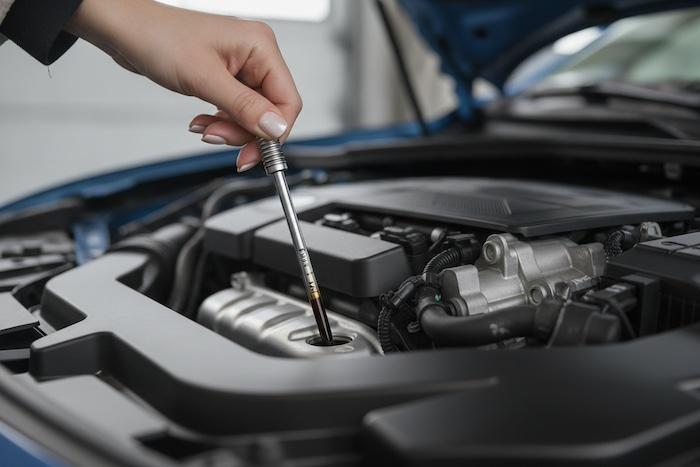
What Engine Oil Actually Does Inside Your Car
To understand why oil changes matter, picture the engine as a tightly choreographed metal dance. Every moving part depends on a lubricating film to avoid direct contact. When oil circulates properly, components glide instead of scraping.
Modern oils are carefully formulated blends of base oils and additives. These additives improve viscosity stability, fight sludge, reduce oxidation, and protect against wear. Some oils are designed for colder climates, some for high-mileage engines, and some for specific manufacturer requirements.
Once, a driver ignored a strange ticking sound because life felt too busy. A friend urged him to consult a mechanic, but he delayed, hoping the issue would pass on its own. It did not. The oil level had dropped dangerously low, and what could have been a simple fix turned into a painful repair bill. That little moment around the word consult carries a bigger lesson: when your car whispers, it is wise to listen before it starts shouting.
Understanding Viscosity and 5w30 Engine Oil
Viscosity refers to how easily oil flows at different temperatures. This matters because your engine needs protection during cold starts and during high-heat operation. If the oil is too thick in cold weather, it may not circulate quickly enough. If it is too thin under high heat, it may fail to provide adequate protection.
That is where multi-grade oils come in. A product like 5w30 engine oil is designed to perform across a range of temperatures. The “5W” indicates how the oil behaves in winter conditions, while the “30” reflects its viscosity at normal operating temperature. For many vehicles, this balance offers dependable protection and smooth performance.
Still, not every engine should use the same oil. Manufacturers specify oil grades for a reason. Using the wrong one can affect efficiency, wear protection, and even warranty compliance. Always check the owner’s manual before choosing. It is one of those small acts of care that can spare you larger worries later.
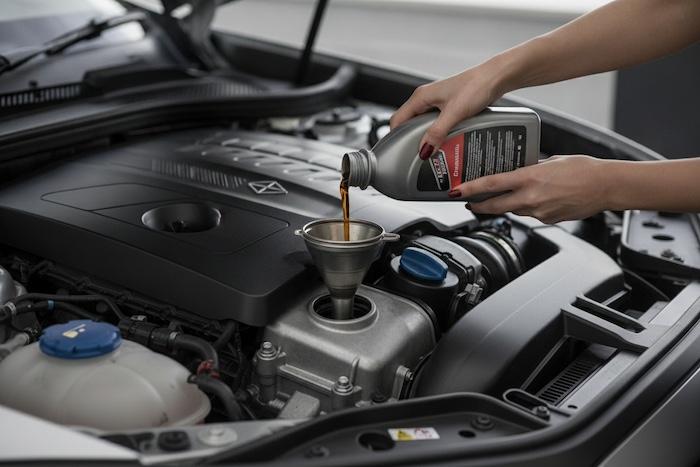
How to Know When Oil Needs Attention
Oil does not last forever. Over time, heat, contaminants, and normal engine operation degrade it. If left unchanged for too long, it can become dirty, lose effectiveness, and thicken into sludge.
Common signs your oil may need attention include a dashboard oil warning light, dark and dirty oil on the dipstick, knocking or ticking sounds, overheating, or a burning smell. In some cases, you may even notice reduced fuel efficiency or rougher engine performance.
One family once debated whether to follow the old “every 3,000 miles” rule or an alternate schedule recommended by the car manufacturer. They finally chose the manufacturer’s maintenance guide and discovered their modern engine could safely go longer between changes with the correct oil. That brief moment around the word alternate reminds us that car care is not one-size-fits-all. Good car maintenance is not about guessing. It is about following what your vehicle truly needs.
Choosing the Right Engine Oil for Long-Term Performance
Picking the right oil means looking beyond the bottle’s branding. Consider viscosity grade, synthetic versus conventional oil, driving conditions, climate, and manufacturer approvals. Some drivers do fine with conventional oil, while others benefit from full synthetic formulas, especially in extreme temperatures or stop-and-go traffic.
For many modern vehicles, 5w30 engine oil remains a popular and trusted option because it offers strong all-around performance. That said, “popular” does not automatically mean “correct” for every car. Turbocharged engines, older vehicles, and high-performance models may have different needs.
There is something almost beautiful about the hidden architecture under a hood. A mechanic once described an engine bay as latticed with hoses, wires, and metal pathways, each piece relying on the others to keep the vehicle alive. That image of something latticed stays with you. It reminds you that car maintenance is not just about one part. It is about respecting the entire system, especially the fluid that moves through it like a lifeline.

Smart Habits That Help Your Engine Last
Good oil care is not complicated, but it does require consistency. Check your oil level regularly. Follow the service intervals in your owner’s manual. Replace the oil filter when you change the oil. Watch for leaks, smells, and unusual noises. Keep maintenance records so you always know where things stand.
If you drive in severe conditions, such as heavy traffic, dusty roads, frequent short trips, or extreme temperatures, your oil may need more frequent attention. These habits put extra stress on the engine and the oil that protects it. A healthy car often comes down to simple habits repeated over time. That may not sound dramatic, but it is deeply reassuring. You do not need to be an expert to protect your engine. You simply need awareness, discipline, and a willingness to respond before minor issues grow.
Your car gives you freedom, reliability, and countless ordinary moments that quietly shape your life. Taking care of its oil is one of the clearest ways to return that favour. When you understand what oil does, why viscosity matters, and how car maintenance timing affects performance, you stop seeing oil changes as a chore. You start seeing them as protection.
And in the end, that is what car maintenance really is: not just repair, but care. Thoughtful, steady, practical care. The kind that keeps your engine running smoothly, your journeys safer, and your car performing reliably for longer. By paying attention to the small things, such as checking your engine oil regularly and using the right oil for your vehicle, you can help prevent avoidable problems and keep your car in better condition for the road ahead.
*Disclosure: Collaborative Post
Thanks for stopping by,
Love you all ❤️
Franca 💋
PIN FOR LATER


Leave a Reply