A garden looks like a one-time spend. You lay the turf, plant a few beds, maybe add some fencing, and it feels finished. But garden costs never end; it’s an ongoing project with its own quiet running costs, and most of us only notice them after they’ve eaten into the household budget for a year or two.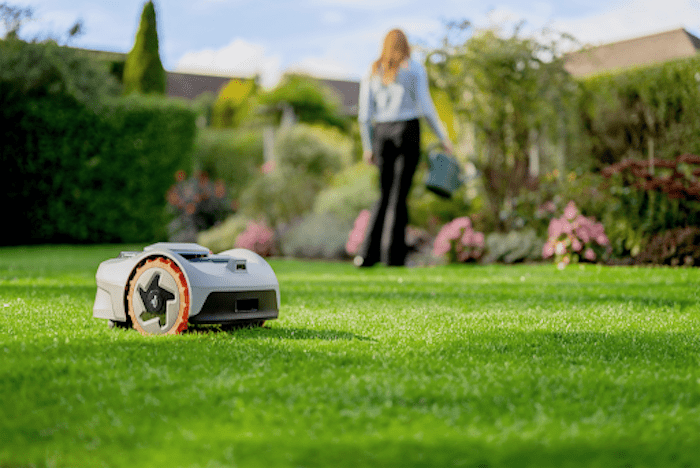
Some of these garden costs are seasonal and easy to spot. Others creep in so gradually that by the time you add them up, the total is bigger than you’d expect. Here’s where the money goes, and where a few smarter choices can bring the bill down.
The Garden Costs Homeowners Don’t See Coming
The Costs That Show Up Early
New turf, planting, fencing, and a bit of hardscaping if you’re lucky enough to get a patio or a path. These are the garden costs most people budget for because they’re visible before the work even starts. You get a quote, you compare a few tradespeople, you know roughly what you’re in for.
Bigger projects follow the same pattern but with a wider margin for surprise. Anyone who’s hired equipment for a home job knows how quickly a simple task can balloon once you factor in delivery, duration and the extras nobody mentioned up front. Our guide to scaffold tower hire costs breaks down exactly this kind of pricing gap, and the same logic applies to garden projects: get a full breakdown before you commit, not just a headline number.
The Ongoing Costs Nobody Budgets For
This is where garden cquietly becomes an annual expense instead of a one-off.
Water and Feed
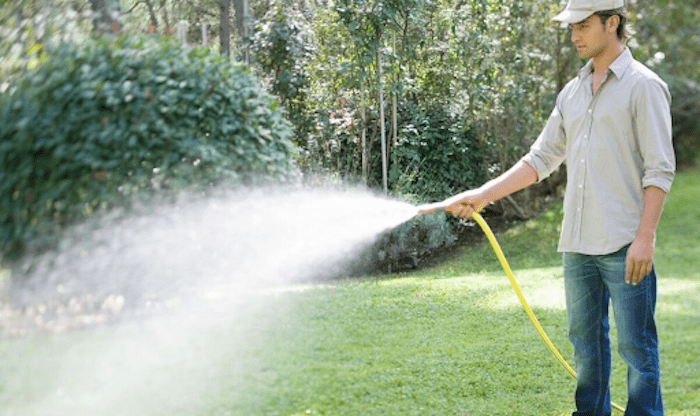
Summer water bills climb faster than people’s expectations, especially with a metered supply and a lawn that needs regular watering to stay green. If you add seasonal feed, weed treatments, and the odd plant that doesn’t survive the winter, you’re looking at a steady trickle of small purchases that rarely feel significant individually but add up across a full year.
Lawn Care
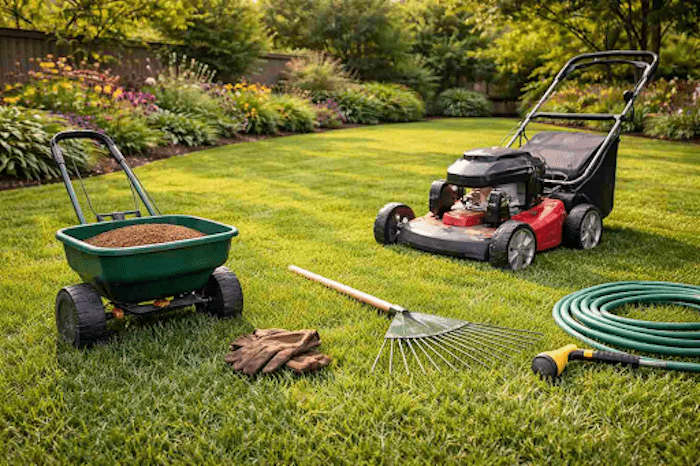
Mowing can be one of the highest recurring garden-maintenance costs, and it is rarely accounted for properly. Homeowners who hire a gardener for lawn care can expect to pay somewhere in the region of £20 to £40 an hour, with a full maintenance contract for a medium-sized garden running well into four figures a year once you include the growing season’s fortnightly visits. Even doing it yourself costs: fuel or electricity, blade sharpening, annual servicing, and eventually replacing a mower that’s had a hard few summers.
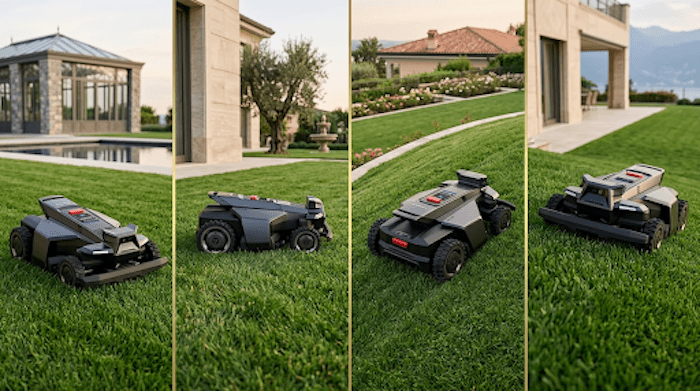
This is where a robot mower like the Segway Navimow starts to look less like a gadget and more like a way of controlling one of the garden’s biggest ongoing bills. Instead of paying per visit or replacing a struggling petrol mower every few years, you’re looking at a fixed upfront cost and a much smaller running one.
Tools and Equipment
Beyond the mower, there’s the trimmer, the hose reel, the pressure washer that gets used twice a year, and the shed to keep it all dry. These tools may not be expensive on their own. Together, they represent a slow accumulation of “just one more thing” purchases that most people never total up.
Unplanned Repairs
Then there’s the cost that only shows up when something breaks. A strimmer cord snaps mid-job, a hose splits after a hard frost, a fence panel comes loose in a winter storm. None of these is dramatic on its own. Still, garden equipment tends to fail at the least convenient moment, and replacing it usually means an unplanned trip to the shop instead of something you budgeted for in January.
Time Cost
The hours themselves don’t show up on any receipt. A weekend spent mowing, edging and tidying is a weekend not spent doing something else, and for a lot of families that trade-off matters more than the money. Two hours a fortnight through spring and summer adds up to whole days across a season, time that has a real value even if nobody writes it on a spreadsheet.
This is the piece that often gets left out of garden budgeting altogether, and it’s usually the reason people start looking at automation in the first place. Not because the garden is unaffordable to maintain, but because manual maintenance is eating into time they’d rather spend elsewhere.
Where a Robot Mower Changes the Maths
A robot lawn mower for lawns does more than cut grass while you are away; it can reduce several of the costs above. It uses electricity and still needs replacement blades and occasional maintenance, but it avoids petrol runs, can reduce the need for hired mowing, and frees up weekend hours. The Navimow range sets up without a boundary wire, mapping the garden through the app instead, so there’s no digging or cabling to get started.
For families weighing up whether the upfront cost is worth it, it helps to think in terms of what it’s replacing rather than what it’s adding. If lawn care alone is costing several hundred pounds a year in hired labour, or several hours a fortnight in your own time, the maths starts to look different.
What It Doesn’t Solve
It’s worth being honest here: a robot mower won’t touch your water bill, and it won’t feed your beds or deal with a diseased shrub. It solves the lawn-mowing piece of the puzzle, which happens to be one of the highest and most frequent garden costs on the list, but it doesn’t fix everything above.
Small Changes That Add Up
A few adjustments elsewhere in the garden can trim the annual bill further without much effort. Choosing low-maintenance plants over anything that needs regular deadheading or staking cuts down on both time and replacement costs. Mulching beds reduces how often you need to water, which matters more than people think once a hot summer arrives. Grouping seasonal tasks—for example, doing all your pruning in one afternoon instead of spreading it across several weekends—also reduces the time and effort lost to repeatedly starting and stopping a job.
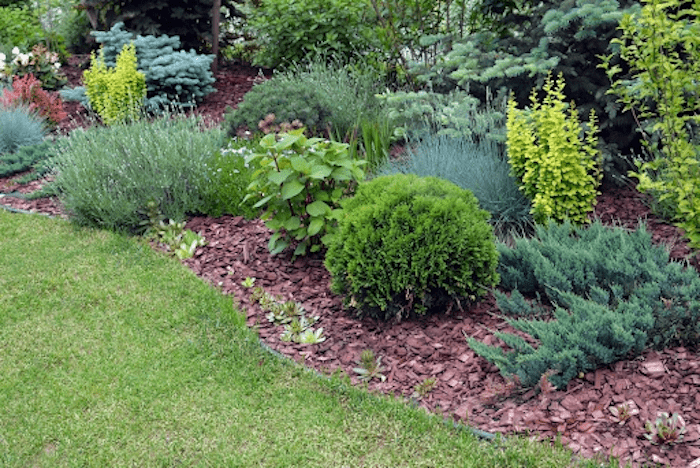
If space is part of the challenge, our guide to making the most of a small garden has practical ideas for keeping a compact plot manageable. And if privacy is driving some of your bigger spending decisions, like fencing, screening, or new hedging, our piece on increasing garden privacy is worth reading before you commit, since the cheapest option upfront isn’t always the cheapest over five years.
The Real Total
Add it all up: the water, the feed, the lawn care, the tools, the time, and a garden that looked “free” once it was planted turns out to have running costs most homeowners never sit down to calculate. That doesn’t mean a garden isn’t worth having. It means the real cost of one lives in the ongoing bills and hours, not the one-off spend at the start.
Once you know where the garden costs are going, it becomes much easier to decide where to spend less of it, whether that’s smarter planting, fewer callouts to a gardener, or letting a robot mower take the biggest recurring job off your hands entirely.
*Disclosure: Collaborative Post
Thanks for stopping by,
Love you all ❤️
Franca 💋
PIN FOR LATER


Leave a Reply