Elbow dysplasia in dogs can be difficult to detect because dogs are remarkably good at hiding discomfort. It’s an instinct carried over from the wild, where showing pain can be seen as a vulnerability. For pet owners, this makes early detection especially challenging. By the time many dogs are diagnosed, the condition has often progressed beyond its early stages, making joint damage more difficult to treat.
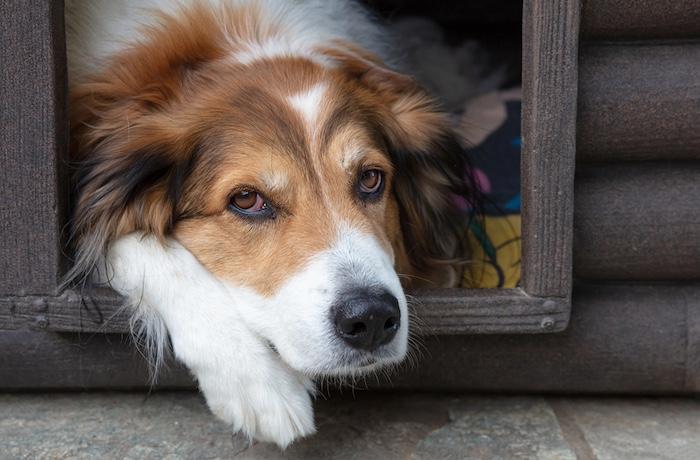
The difference between an early and a late diagnosis often comes down to knowing which subtle signs to look for. Here’s what most owners miss and why catching it early makes all the difference.
Elbow Dysplasia in Dogs: Symptoms Every Pet Owner Should Watch For
1. Intermittent Limping That Seems to Resolve
One of the earliest signs of elbow dysplasia is an on-and-off limp, usually on one front leg. It’s most noticeable right after exercise or first thing in the morning when the joints are stiff, and then it fades as the dog warms up and moves around.
Because the limp comes and goes, it’s easy to assume your dog tweaked something during play or is just a little stiff from sleeping in an awkward position. But a limp that keeps returning — even a mild one — is worth a vet visit. Intermittent lameness is not normal.
2. A Sudden Drop in Exercise Enthusiasm
Pay attention to changes in your dog’s interest in activities they used to love. A dog that always ran to the door for a walk but now hesitates, a dog that stops mid-play and sits down, or one that seems reluctant to climb stairs or jump into the car — these behavioural shifts are often the first sign that movement has become uncomfortable.
In older dogs especially, these changes tend to be dismissed as normal ageing. But slowing down due to joint pain is not the same as naturally maturing. If you notice a shift in enthusiasm, it’s worth investigating.
3. Post-Rest Stiffness That Takes Time to Work Out
Elbow dysplasia in dogs often causes noticeable stiffness after sleeping or resting for an extended period. You might notice your dog taking several careful, deliberate steps before settling into their normal gait, as though they’re gradually working through the stiffness with each step
This pattern — stiff after rest, better after warming up — is a classic sign of joint inflammation. If you see it happening regularly over several weeks, make a note and mention it to your vet.
4. Changes in How the Front Legs Are Held
Look closely at how your dog stands or sits. A dog with elbow dysplasia may hold the affected leg slightly away from the body, rotate the foot outward, or shift their weight backwards to reduce pressure on the front limbs. These compensatory postures develop slowly as the dog tries to minimise pain.
These subtle postural shifts are easy to overlook unless you know what you’re looking for. Reading more about elbow dysplasia in dogs, including how symptoms present at different stages of the condition, helps owners connect signs that might otherwise seem unrelated.
MedcoVet’s detailed guide on the condition is particularly helpful for owners who are still piecing together what they’re observing in their dog’s movement and behaviour.
5. Visible Swelling Around the Elbow
By the time there’s visible swelling or a fluid-filled appearance around the elbow joint, inflammation is already significant. This is a more advanced sign than the subtle early indicators listed above.
Get in the habit of occasionally running your hands along your dog’s front legs to feel for warmth, puffiness, or asymmetry between the two limbs. What you feel is often more informative than what you can see.
6. Muscle Loss in One Front Leg
When a dog consistently avoids putting full weight on a limb due to pain, the muscles in that leg begin to atrophy. If one front leg looks noticeably thinner than the other, that’s a signal that the dog has been protecting that limb for weeks or months — meaning the underlying problem has been present far longer than the owner realised.
Early veterinary evaluation can help identify the cause and may improve treatment options before the condition progresses further. Because muscle loss develops gradually, it’s often one of the clearest signs that joint pain has been present for some time.
7. A Grinding or Clicking Sound During Movement
Some owners notice a faint clicking or grinding when their dog moves their front legs — particularly when the elbow joint flexes. This sound can indicate cartilage wear or loose fragments within the joint.
The Cornell University Riney Canine Health Center identifies elbow dysplasia as one of the leading causes of front limb lameness in medium and large breeds. The condition can involve several distinct structural problems within the elbow — including fragmented coronoid processes, osteochondrosis, and ununited anconeal processes — which is why professional imaging is essential for an accurate diagnosis.
8. Don’t Assume Youth Rules It Out
Many owners assume joint problems are a condition of old age. In fact, elbow dysplasia is a developmental condition. It begins to form during a puppy’s growth phase, often between four and ten months of age, and is most commonly seen in large and giant breeds, including Labrador Retrievers, German Shepherds, Golden Retrievers, Bernese Mountain Dogs, and Rottweilers.
If your large-breed puppy or young adult dog is showing any of the signs above, don’t write it off as growing pains. Early intervention produces significantly better long-term outcomes than waiting for symptoms to worsen.
Conclusion
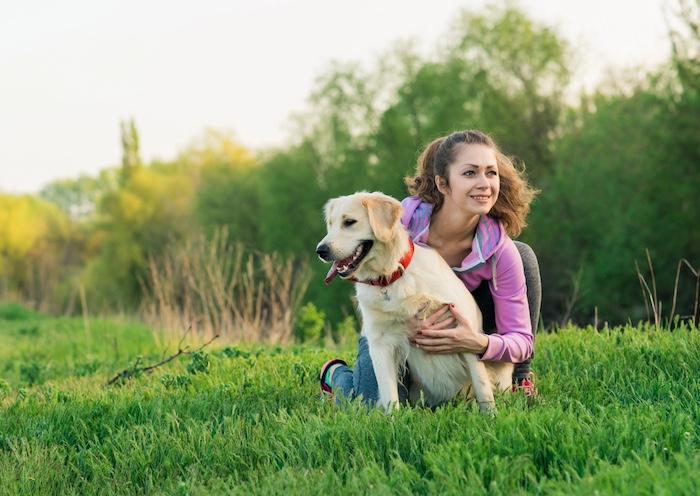
If you suspect elbow dysplasia in dogs, arrange an appointment with your vet and describe the specific signs you’ve been observing, including when they started and whether they come and go. X-rays are typically the first step in diagnosing elbow dysplasia in dogs, while a CT scan may be recommended to assess the extent of the joint damage more precisely.
The earlier the condition is diagnosed, the more treatment options are available and the better your dog’s long-term quality of life is likely to be. Don’t wait for the limp to become a crisis before you act.
*Disclosure: Collaborative
Thanks for stopping by,
Love you all ❤️
Franca 💋
PIN FOR LATER

Leave a Reply