Broken appliances always seem to fail at the worst possible time. The washing machine won’t drain, the dishwasher starts leaking, or the vacuum suddenly loses suction. It’s tempting to assume the appliance has reached the end of its life and start shopping for a replacement.
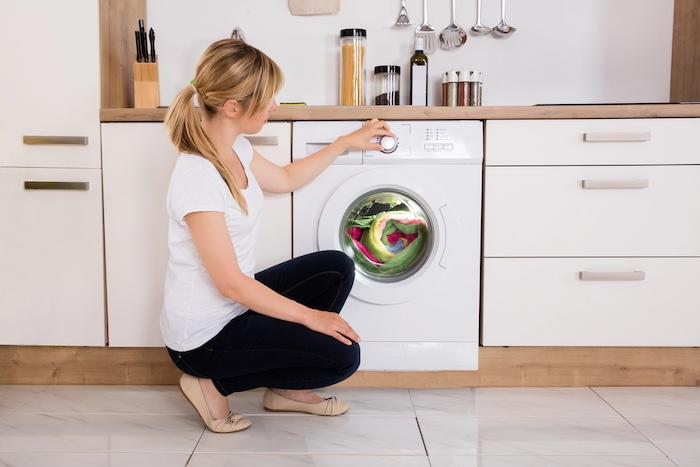
In many cases, the problem is caused by a single worn or faulty part. Replacing a seal, filter, hose, or pump component can often restore an appliance to full working order. Repairing it is usually quicker, more affordable, and far less wasteful than buying a replacement.
Repairing Your Appliances As An Easy Sustainable Habit
Repair first to save time and money
Buying new is not only about the price tag. You also spend time comparing models, arranging delivery, and dealing with disposal. If the appliance is otherwise in good condition, a repair is often the simpler option.
Common fixes people search for include:
- How to fix a washing machine pump that will not drain
- Replace a dishwasher door seal to stop leaks
- Tumble dryer not heating and how to replace a thermostat
- Vacuum cleaner losing suction and how to replace a hose or filter
Often, a single correctly matched spare part is all it takes to extend a machine’s life.

Find the correct spare part without guesswork
A common concern is ordering the wrong component. Many appliances look identical on the outside but have different internal versions.
The most reliable approach is to search by model number. You can usually find it on a sticker or rating plate inside the door frame, along the inner edge of the door, or inside the fridge compartment.
Once you have it, a parts catalogue that supports searching by appliance type, brand, and model helps you confirm compatibility before ordering, which is exactly how Fixpart.co.uk is designed to be used.
A realistic repair checklist for busy households
You do not need a workshop for many basic repairs, but you do need a safe routine.
Before you start
- Unplug the appliance and turn off the water supply if needed.
- Take a clear photo of the model number label.
- Read a step-by-step guide for your exact issue.
During the repair
- Keep screws in a small container.
- Take photos as you go, especially of wiring.
- If a part does not fit, stop and recheck compatibility.
After the repair
- Run a short test cycle.
- Check for leaks, unusual noises, or error codes.
If you are dealing with gas appliances or complex electrical faults, call a professional.

Why repairing is a lifestyle win
Repairing an appliance helps create a calmer, more intentional home. It reduces the stress of unexpected replacements, keeps daily routines running smoothly, and is also a more sustainable choice.
Large appliances contain plastics, metals, and electronics that take energy and raw materials to produce. Extending the life of what you already own helps reduce e-waste without requiring a major lifestyle change.
Make your next repair the easy one
If you are new to DIY, start small. Replacing a filter, seal, or hose is a quick confidence boost. The key is choosing the right spare part for your exact model.
Repairing appliances is a simple habit that can save you time, money, and unnecessary waste. Before replacing a faulty appliance, it’s always worth checking whether a repair is possible, as small issues often come down to a single replaceable part. By choosing to repair appliances where possible, you can extend the life of your household essentials, reduce environmental impact, and create a more sustainable home with minimal effort.
*Disclosure: Collaborative Post. This article is for general information only. Always follow manufacturer safety guidance.
Thanks for stopping by,
Love you all ❤️
Franca 💋
PIN FOR LATER


Leave a Reply