Wedding invitations carry more responsibility than they once did. They still communicate the practical details guests need, while also shaping the first impression of the celebration itself. Long before the ceremony begins, guests start forming expectations through design choices, wording, and even the way information is presented.
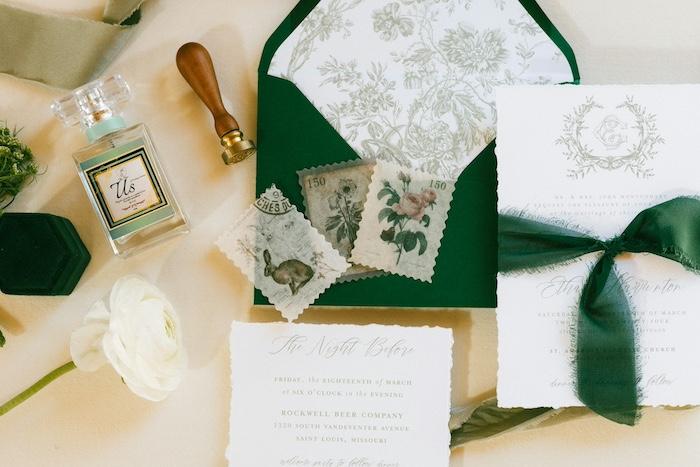
Photo by Stacey Vandas on Unsplash
 At the same time, wedding planning has become more layered. Couples are balancing aesthetics with logistics, timelines with flexibility, and tradition with convenience. Choosing invitations in 2026 often means thinking beyond appearance alone and considering how the entire experience will feel from the moment guests receive it.
7 Things to Consider When Choosing Your Wedding Invitations in 2026
1. Consider the Overall Tone of Your Wedding
Invitations often establish the emotional tone of the event before guests know anything else about it. A formal black-tie wedding creates different expectations than a relaxed garden ceremony or destination celebration, and the invitation should reflect that naturally.
Design choices influence those impressions quickly. Typography, spacing, colours, and imagery all contribute to how the event begins to feel in a guest’s mind. Even small details can subtly shape expectations without needing to explain them directly.
Consistency matters here too. When invitations feel visually connected to the wedding itself, the overall experience tends to feel more cohesive from beginning to end. Guests may not consciously identify every design choice, though they usually notice when everything feels aligned.
That sense of alignment often becomes more noticeable later, once menus, signage, and event materials begin appearing around the wedding itself.
2. Think About How Guests Will Receive and Respond
Delivery plays a larger role in wedding invitations than many couples expect at first. It affects not only how quickly guests receive information but also how smoothly communication continues once responses begin coming in.
Many couples are reconsidering traditional mailing timelines, especially for weddings involving travel, multiple events, or changing schedules. Digital wedding invitations have become increasingly common for couples who want a more streamlined way to share updates and manage guest responses without relying entirely on physical mail.
Accessibility matters as well. Guests now open invitations across phones, tablets, and desktops, often at different moments throughout the day. Invitations that are easy to navigate and respond to tend to create a smoother experience overall.
That becomes particularly important as RSVP deadlines approach and follow-up communication begins to be part of the planning process.

3. Pay Attention to Readability and Layout
A visually interesting invitation still needs to communicate clearly. Once readability becomes difficult, even strong design choices begin to work against the invitation itself.
Typography plays a major role here. Some fonts feel elegant at first glance, but become harder to read once important details are added. Balancing personality with clarity usually creates a stronger result than leaning too heavily toward decoration.
Spacing matters just as much. Invitations with too much information crowded together can quickly feel overwhelming, especially when guests are trying to locate dates, locations, or timing details.
Good layout design often feels effortless because guests move through the information naturally without needing to search for what matters most.
4. Choose a Format That Fits Your Planning Timeline
The format couples choose often affects the planning process more than expected. Printed invitations usually require longer production schedules, mailing coordination, and extra time for revisions if details change close to the wedding date.
That timing can become difficult once venues finalise schedules later than expected or guest lists continue shifting during the planning process. Reprints and additional mailings may also add more steps than couples originally planned for.
Digital formats tend to offer more flexibility in those situations. Adjustments can be made without restarting the entire process, and updated details can reach guests much faster as timelines tighten.
Most couples eventually weigh practicality alongside atmosphere. The right format often depends on how structured or flexible the planning process needs to remain as the wedding approaches.
5. Consider RSVP Management Early
RSVP management often sounds straightforward at the beginning of wedding planning. It rarely stays that way once guest lists expand and responses begin arriving from different directions.
Keeping responses organised early can reduce a surprising amount of stress later on. Tracking attendance, meal preferences, additional events, and guest updates becomes much easier when everything stays connected within the same system.
Timing also matters here. Guests tend to respond at different speeds, and reminders usually become necessary at some point, regardless of how clear the invitation feels initially.
The smoother the RSVP process becomes for guests, the easier planning tends to feel behind the scenes.
6. Balance Creativity With Practical Details
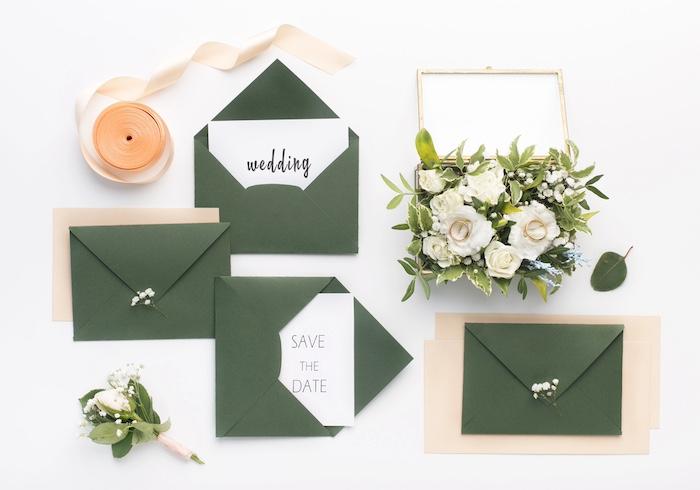
Creative invitations can leave a strong impression, though practicality still matters. Guests should never struggle to locate essential information because design elements compete too heavily for attention.
That balance often requires restraint. It can be tempting to continue adding textures, decorative wording, layered inserts, or visual flourishes once the design process begins. Eventually, the invitation may start to feel crowded rather than intentional.
Clear wording usually holds up better over time. Guests remember how easy the invitation felt to navigate far more than they remember individual decorative details. Sometimes the strongest design decision is simply knowing when to stop adding more.
7. Think About Long-Term Keepsake Value
Wedding invitations often remain meaningful long after the event itself has passed. Some couples keep them alongside photographs or personal mementoes, while family members may hold onto them for entirely different reasons years later.
That does not necessarily mean invitations need to feel overly formal or elaborate. Meaning usually comes from how connected the invitation feels to the wedding itself and to the people planning it.
Small personal touches often carry more weight than dramatic design gestures. A thoughtful phrase, a carefully chosen photograph, or a layout that genuinely reflects the tone of the celebration can feel more lasting.
The invitation eventually becomes part of the wedding’s memory, not simply a piece of communication sent beforehand.
Bringing Your Wedding Invitation Vision Together
Choosing wedding invitations in 2026 involves more than selecting a design that looks appealing at first glance. Invitations now shape communication, guest experience, and the overall rhythm of planning in ways that continue long after they are sent.
Some couples prioritise aesthetics while others focus more heavily on convenience, accessibility, and organisation. Most discover, somewhere along the way, that both sides matter more than expected once planning begins to move faster.
The strongest invitations usually feel connected to the wedding itself rather than designed in isolation. That sense of connection tends to remain meaningful long after trends and small design details have faded.
*Disclosure: Collaborative Post
Thanks for stopping by,
Love you all ❤️
Franca 💋
PIN FOR LATER

Leave a Reply