Reliable connectivity now shapes productivity, communication, and household efficiency. Many residences depend on cloud platforms, virtual classrooms, and professional tools throughout the day, making a strong home internet plan essential. When several devices operate simultaneously, older systems struggle to maintain stable performance. This creates delays that affect school tasks, streaming, and work responsibilities.

The challenge is even more substantial in major cities where digital activity stays high throughout the day. Los Angeles reflects this shift, with households relying on more bandwidth-intensive routines and often pushing the limits of their current home internet plan. Evaluating existing configurations is essential for maintaining consistent performance. An upgrade is no longer a simple purchase — it is a strategic decision that influences long-term stability and day-to-day function.
The Essential Family Checklist Before Upgrading Your Home Internet Plan
Review Current Performance and Weak Points
Before searching for an alternative home internet plan, households should understand their current configuration. Weak upload strength disrupts video conversations and cloud transfers. Congestion becomes visible when multiple devices operate at once and slow down essential tasks. Older routers also create blind spots where certain rooms receive weaker coverage. Latency is the delay in virtual classrooms or remote collaboration tools.
Identifying these gaps reveals what a stronger connection must deliver. A thorough review avoids decisions based only on advertised figures that rarely reflect real conditions. Understanding whether outages occur at specific hours helps clarify actual performance limits. Evening slowdowns, frozen calls, or buffering during streaming indicate structural issues in the current setup. This insight supports smarter choices when discussing options or reviewing stronger digital solutions.

Evaluate Infrastructure and Local Availability
Infrastructure influences performance more than advertised speed. Cable networks often experience fluctuations during peak traffic periods. Fiber networks deliver steadier results because they maintain stronger bandwidth and balanced upload performance. Understanding these differences helps families select a plan that performs consistently in real-world use.
Many cities now upgrade local networks to deliver more predictable performance. For example, many households explore fiber optic internet in Los Angeles when seeking stronger stability and wider capacity. In this environment, providers such as Frontier are contributing to the shift toward systems designed for large workloads. Their systems are designed to maintain consistent throughput even during peak hours, ensuring reliable performance for homes with demanding digital workflows. These upgraded networks help reduce congestion during peak activity and support reliable performance for busy residences.
Understand How Layout Affects Digital Performance
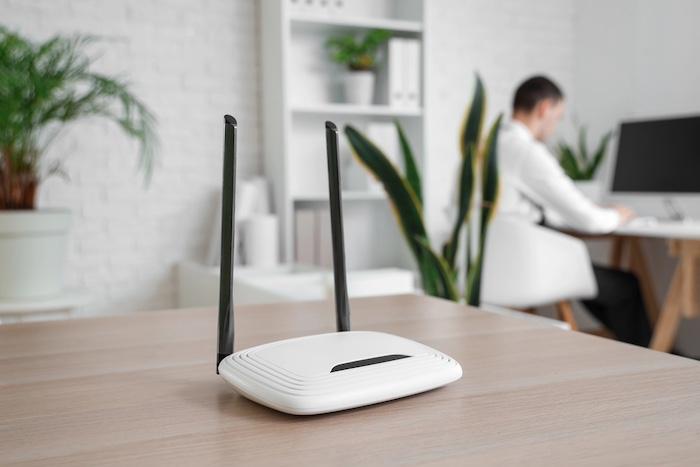
A residence’s design affects digital stability. Thick walls weaken signals and reduce coverage across distant rooms. Multi-level properties create similar challenges because signals drop across floors. Router placement also influences performance. Corner locations often limit reach and weaken the signal for workspaces or bedrooms.
Mesh systems improve coverage by spreading access points across the property. Identifying weak areas before selecting a new service helps ensure the upgrade performs as expected. This step prevents issues where the connection is strong near the router but weak in remote parts of the residence. Understanding the internal structure helps predict how new equipment or higher tiers will behave in real-world use. A balanced approach considers both external capability and internal layout.
Prepare for Growing Digital Demands
Digital requirements increase each year as new platforms and devices become part of daily routines. Students rely on richer learning environments that include video tools, interactive modules, and cloud-based submissions. Professional duties include large-file transfers, advanced collaboration platforms, and continuous video interactions. Entertainment also shifts upward, with higher-quality streaming that requires stronger bandwidth.
Smart devices are proliferating across households, each adding a measurable load to networks. A decision based on current needs often leads to dissatisfaction later as demands rise. Choosing a home internet plan with a forward perspective prevents repeated adjustments and supports long-term stability. Considering how usage may grow over the next few years helps households invest in solutions that remain strong as digital life evolves.
Use Clear Criteria to Compare Options
Households should rely on objective performance metrics when evaluating home internet plan options. Three indicators offer reliable guidance. First, examine how well the connection handles peak evening hours. Second, evaluate upload bandwidth, which affects video quality, cloud reliability, and creative work. Third, consider how effectively the service supports simultaneous activity across many devices.
These indicators reflect real outcomes more accurately than headline speeds. Evaluating options against these metrics provides a structured approach that aligns with real-world digital expectations. This method prevents overspending on unnecessary features or selecting a service that struggles under actual load. A decision built on practical criteria leads to smoother routines and fewer service disruptions across essential tasks.

Final Thoughts
Selecting a stronger home internet plan connection is a strategic step that supports long-term digital stability. A thoughtful evaluation protects daily routines from disruptions and prepares households for rising demands. The right choice offers clarity, performance, and confidence across essential tasks. A well-planned upgrade strengthens both productivity and comfort as digital life continues to evolve.
*Disclosure: Collaborative Post
Thanks for stopping by,
Love you all ❤️
Franca 💋
PIN FOR LATER


Leave a Reply