Distance doesn’t break relationships. But silence, disconnection, and unresolved patterns often do. Virtual marriage counselling has made it easier for couples to reach support without waiting months, rearranging childcare, or commuting across town to a therapist’s office.
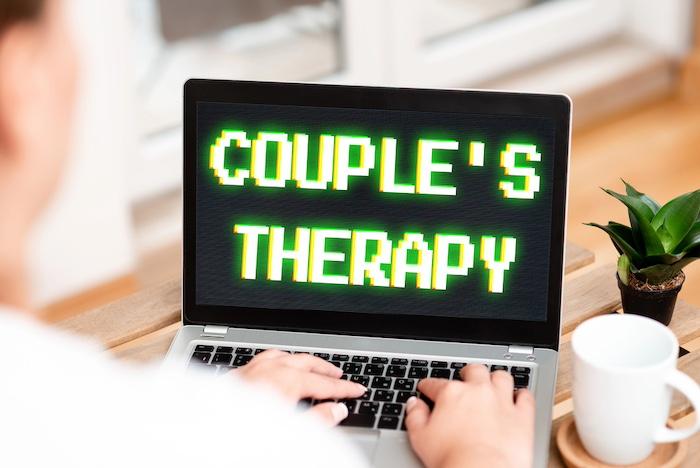
Here’s the thing: online therapy for couples works much the same way as in-person sessions. Two people. A trained therapist. Honest conversation. The format shifts; the depth doesn’t have to.
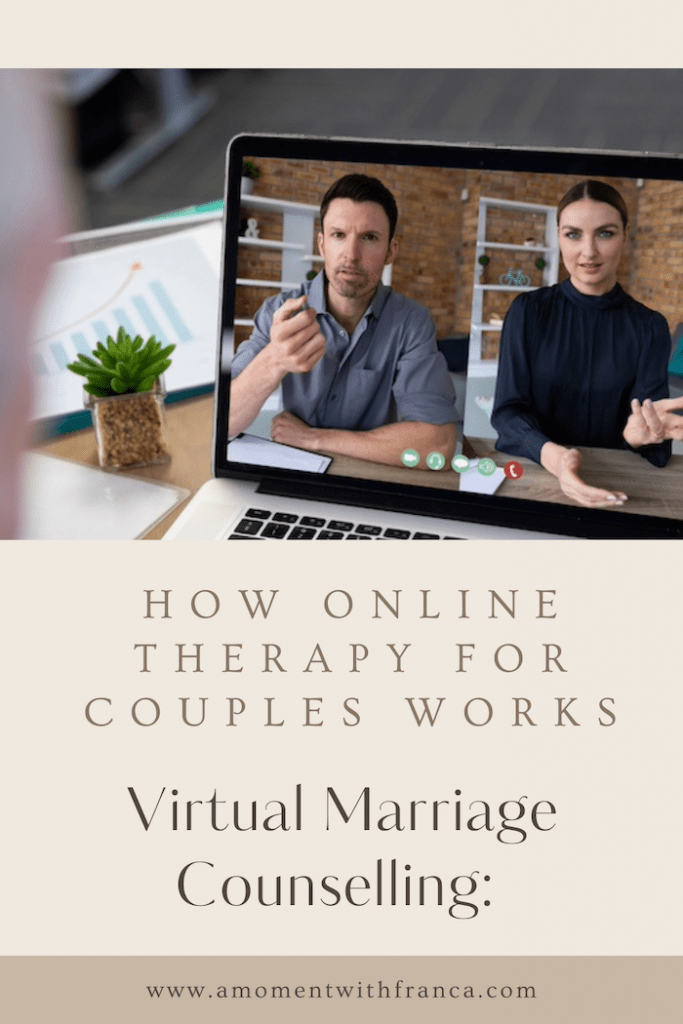
Virtual Marriage Counselling: How Online Therapy for Couples Works
What Happens in an Online Couples Therapy Session
Virtual marriage counselling sessions typically take place via video call and last around 50 to 60 minutes. Both partners can join from the same home or different locations, making the process flexible and removing the need to travel or rush afterwards. Before the first session, most therapists ask couples to complete a short intake form covering their main concerns, previous counselling experience, and what each person hopes to gain. Differences in responses can often provide useful insight from the very beginning.
Rather than resolving everything in a single conversation, the work develops gradually. Over time, the therapist builds an understanding of your relationship dynamics—how conflict unfolds, where connection remains, and what has already been tried—while also exploring the common reasons couples seek support, such as communication difficulties, changes in intimacy, or recovery from infidelity.
Intima Therapy is one example of a practice that supports couples experiencing relational and sexual difficulties through a psychosexual and relational approach. Rather than applying a standard programme, their work focuses on understanding each couple’s unique situation. Similarly, Relate and The Gottman Institute offer their own established approaches to helping couples strengthen and better understand their relationships.
What the First Session Covers
The first session is mainly an assessment phase. In virtual marriage counselling, the therapist works to understand how you function as a couple—how conflict tends to unfold, where connection and warmth still exist, and what has already been tried. They may also ask about individual histories, including childhood experiences and previous relationships, to better understand how each person approaches intimacy and communication.
This is not about assigning blame or deciding who is right. Instead, it helps the therapist begin to see your relationship as a whole and the patterns that shape how you respond to one another. For some couples, this first session brings relief, as speaking with a neutral professional can ease tension that has felt stuck. For others, it can feel more emotional than expected, as putting the relationship into words may surface unspoken feelings. Both responses are completely normal, and the first session is simply the start of the process rather than a conclusion.
How the Work Builds Over Time
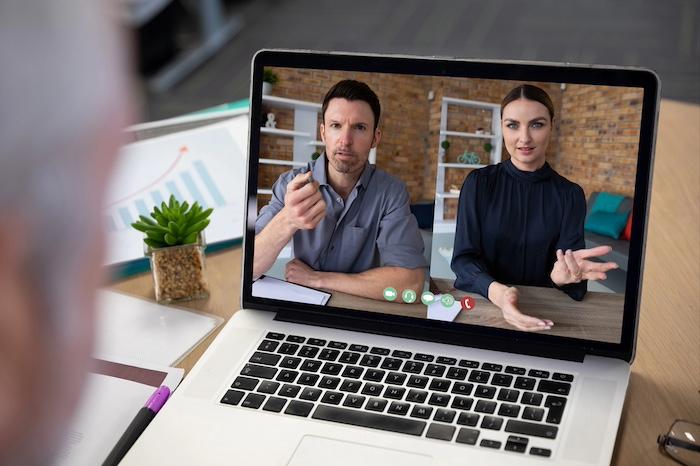
Couples therapy develops gradually rather than through a single conversation. Across sessions, the therapist begins to identify patterns in how you interact—how disagreements escalate or shut down, when one partner reaches for connection while the other withdraws, and which issues tend to resurface. Over time, these patterns become easier to recognise and name, which often makes them easier to shift.
Depending on their approach, therapists may introduce communication tools to help you express needs more clearly and understand each other more effectively. They might also explore deeper attachment patterns, such as fears of abandonment or emotional distance, and sometimes suggest small reflections or exercises between sessions. Progress is rarely linear; some sessions may feel more challenging than others, but this often reflects meaningful work taking place. The aim is not to eliminate conflict, but to help couples move through it in a different and more constructive way.
When One Partner Is More Reluctant
It’s common for one partner to feel more hesitant about therapy than the other, especially if they didn’t initiate the decision. In virtual marriage counselling, a good therapist will not treat this reluctance as resistance, but instead ensure both partners are given equal space to speak and feel heard. The aim is to avoid one dominant narrative and create a balanced environment where neither person feels judged or managed.
Often, reluctance eases not through persuasion, but through experience. The session may feel less exposing or one-sided than expected, which can shift initial concerns. Some partners also find the online format easier, as there is no waiting room or uncomfortable transition afterwards—you simply close the laptop and return to your own space. This sense of containment can make the process feel more manageable, especially for someone who was unsure about starting therapy in the first place.
Is Online Therapy as Effective as In-Person for Couples?
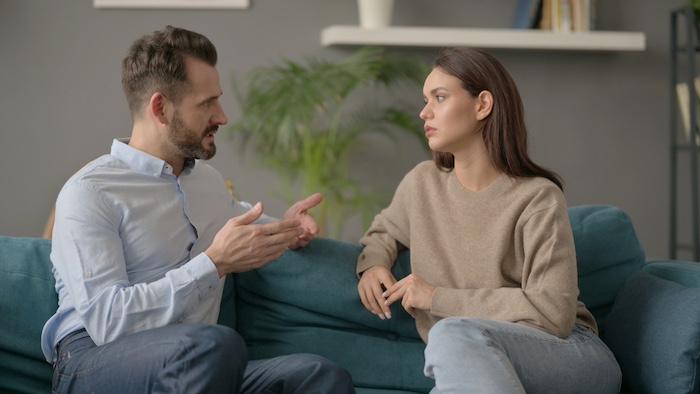
For most couples, yes. A 2023 review published in the Journal of Marital and Family Therapy found that videoconference-based couples therapy produced outcomes comparable to face-to-face sessions across measures of relationship satisfaction and communication. The therapeutic relationship – that sense of being seen by your therapist – translated well to video.
There are limits, though. Couples in acute crisis, or where one partner has complex trauma needs, may find in-person work more grounding. But for the broad majority – navigating disconnection, sexual difficulties, persistent conflict cycles, or rebuilding trust after a rupture – online therapy holds.
What Makes the Format Work
Working through a screen rather than in a physical room changes very little about what matters in therapy. In virtual marriage counselling, therapists still observe the same relational dynamics—how you look at each other, who speaks first, who withdraws or softens during emotional moments, and how conflict unfolds. These subtle patterns remain visible, even through a digital setting.
Many couples actually find it easier to be honest at home, where the familiarity of their environment can reduce pressure and make conversation feel more natural. However, this setting can also pose challenges, such as interruptions or reminders of recent conflict within the home. A skilled therapist remains attentive to both the dialogue and the environment, recognising how the space you are in can influence the way you relate to each other.
The Privacy Question
While couples may feel more comfortable speaking from home, privacy still requires some planning. A quiet room with a closed door, a parked car during a break, or a time when children are asleep can all provide enough space for an open conversation. In virtual marriage counselling, the key is not perfect conditions but enough privacy for both partners to speak honestly and stay present without worrying about being overheard.
This flexibility is one of the main advantages of the format. It allows couples to access support without the logistical challenges of travelling to a clinic, which can be especially helpful for those with busy schedules, young children, or partners working in different locations. It also means sessions can take place in environments that feel emotionally neutral and comfortable, rather than spaces linked to past conflict. For couples in different cities or countries, online therapy also makes joint sessions possible where in-person work would not be feasible.

What Technology Do You Actually Need
Less than most people expect. A stable internet connection; a device with a camera – a laptop, tablet, or phone – and somewhere reasonably quiet. That’s genuinely it. Most platforms used for virtual marriage counselling don’t require any downloads or new accounts. You’ll receive a link from your therapist before the session; click it at the right time, and you’re there.
If you’re new to video calls, it’s worth testing your camera and audio a few minutes before the first session – not because anything complicated is likely to go wrong, but because it removes one small source of anxiety at a moment when you probably have enough on your mind. And if the connection does drop mid-session, your therapist will have a plan for it, usually a quick reconnect or a phone call to finish. It happens occasionally, and it’s rarely a disruption that can’t be managed.
Starting Virtual Marriage Counselling: What to Expect
The first practical step is finding a therapist whose training fits your needs. If intimacy or sexual difficulties are part of the picture, a therapist with psychosexual training makes a real difference. This isn’t territory where a general approach always lands.
Most online directories allow you to filter by location, specialism, cost, and availability. Initial consultations are usually 15 to 20 minutes, free, and low-stakes. Use them. The fit among you, your partner, and the therapist matters more than any list of credentials.
How Cost Works
In the UK, online couples therapy typically costs between £90 and £250 per session, depending on the therapist’s experience, training, and specialism. Psychosexual and relational therapists, or those with postgraduate-level training, are usually at the higher end of this range, reflecting the level of expertise involved. Some practitioners offer sliding-scale fees or reduced rates, and it is often worth asking directly. Block bookings may also be available at a discounted rate, helping to make longer-term work more predictable.
Insurance coverage varies, particularly when it comes to couples work rather than individual therapy. While many policies now include telehealth services, couples sessions are not always automatically covered, so it’s advisable to check directly with your provider. Some Employee Assistance Programmes (EAPs) also offer a limited number of funded sessions, which may be available through an employer and are worth exploring before booking.
Setting Yourself Up for Success
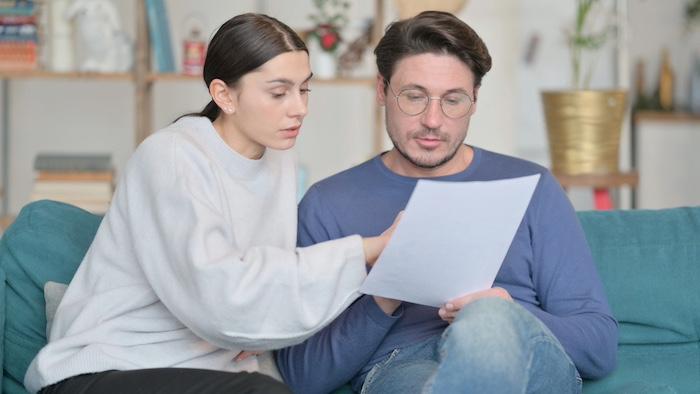
A little preparation before your first session can make a meaningful difference. In virtual marriage counselling, it helps to talk through practical details with your partner in advance—such as who will manage bookings, where each person will sit if joining from the same home, and what to do if the connection drops or someone needs a moment. It’s also helpful to avoid scheduling sessions directly before or after demanding commitments, allowing some breathing space both before and afterwards.
It can also help to approach the process without fixed expectations. Couples therapy is not a quick solution but an ongoing process shaped by both partners’ willingness to be open, listen, and stay engaged even when things feel uncomfortable. Creating space to settle after a session, even briefly, can be an important part of supporting yourself as the work unfolds.
Conclusion
Virtual marriage counselling isn’t a compromise. For many couples, it’s the format that finally made therapy accessible – with no barriers of geography, scheduling, or the self-consciousness of a waiting room. Online therapy for couples relationships works because the important ingredients don’t depend on a physical room: honesty, a skilled therapist, and two people willing to show up. If something between you needs attention, the screen is rarely what’s in the way.
*Disclosure: Collaborative Post
Thanks for stopping by,
Love you all ❤️
Franca 💋
PIN FOR LATER

Leave a Reply