In the field of pet care, there is a saying often shared by experienced veterinarians: “Oral health is the window to overall well-being.” Yet in reality, this is often overlooked. Even when we try to give our dogs the best food and toys, oral care can easily become the “forgotten corner” of everyday pet ownership. The consequences go far beyond bad breath; it can signal a “silent crisis” that may affect a dog’s overall health, even though it is largely preventable.
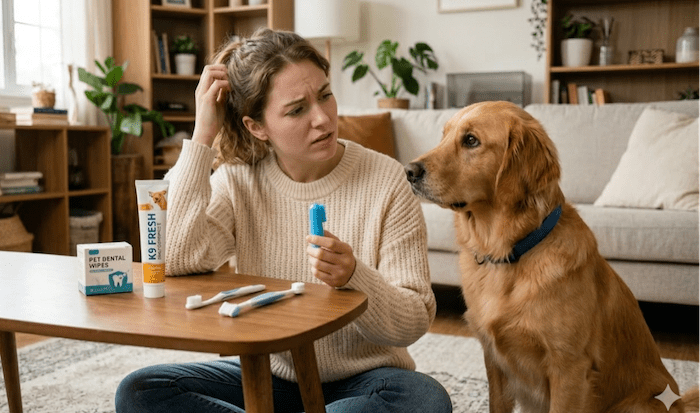
After realising the importance of dental hygiene, many pet owners often ask the most pressing question: “What can I use at home to brush my dog’s teeth?” Is it the common baking soda in the kitchen, or the mint toothpaste we use daily? In fact, incorrect attempts can often be more dangerous than not brushing at all.
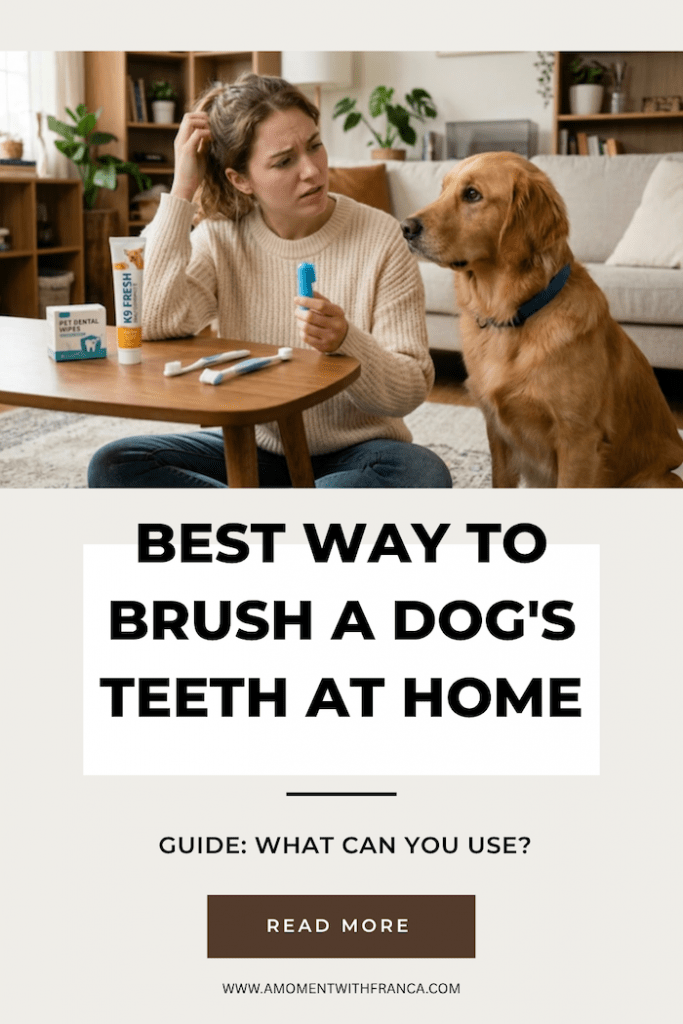
Best Way to Brush a Dog’s Teeth at Home: What Can You Use?
The following guide will delve into the science behind dental care and filter out truly veterinarian-approved home cleaning solutions.
Why Brushing Your Dog’s Teeth Is Important?
Oral care is often overlooked in dog health management. According to authoritative data from the American Veterinary Oral Health Council (AVDC), approximately 80% of dogs over the age of 3 suffer from varying degrees of dental disease. With daily brushing, plaque can be effectively removed, preventing its calcification and the formation of difficult-to-treat Tartar within 24-48 hours. This is the first line of defence for maintaining oral health in dogs.
Long-term dental hygiene deficiency can lead to periodontal disease. This disease not only causes bad breath and swollen gums but also damages the tissues that support the teeth, leading to loose teeth, tooth loss, and severe pain.
When the gums are damaged, bacteria in the mouth can enter the bloodstream, and this chronic inflammatory state can significantly reduce a dog’s quality of life.
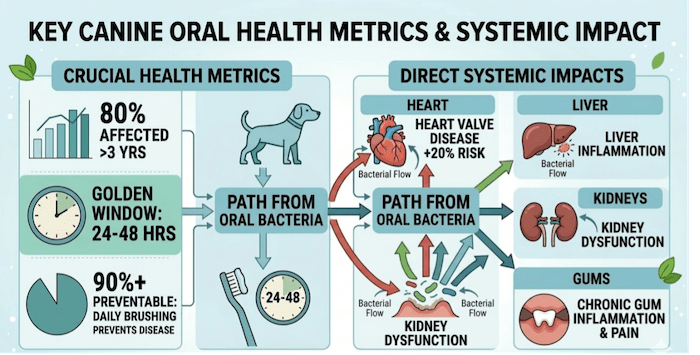
Scientific research shows that an unhealthy oral environment can pose a systemic threat. When bacteria enter the bloodstream through damaged tissues, they may affect important organs such as the heart, liver, and kidneys. According to statistics, dogs with long-term severe oral inflammation have a risk of heart valve disease about 20% higher than healthy dogs. Therefore, maintaining good dental care habits actually protects the dog’s entire life system.
What Can I Use to Brush My Dog’s Teeth at Home?
SAFE OPTIONS INCLUDE
1. Pet Specific Toothpaste
This is the most recommended choice.
- Ingestibility: Dogs do not rinse their mouths, and pet toothpaste is designed to be swallowed directly without foaming agents.
- Inducibility: Usually flavoured with chicken, beef, peanut butter, or salmon, it can reduce dogs’ resistance.
- Enzyme composition: Contains enzymes that break down plaque; even if not thoroughly brushed, it can still provide some cleaning effect.
Research shows that using dog toothpaste and a soft toothbrush twice a week can reduce plaque by more than 70% over three months (Journal of Veterinary Dentistry, 2018).
2. Coconut Oil
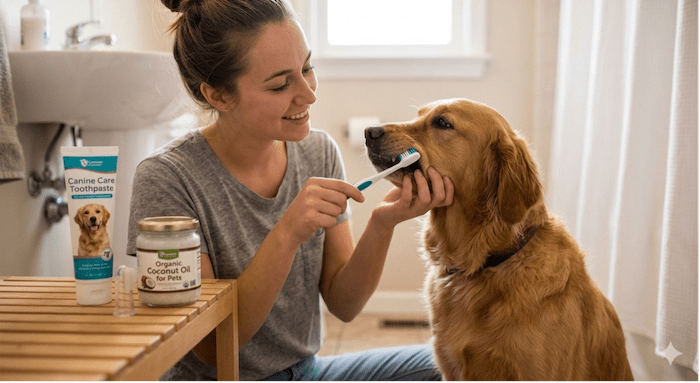
If you don’t have pet toothpaste on hand, pure natural organic coconut oil is an excellent temporary substitute.
- Antibacterial: Contains lauric acid, which helps to inhibit oral bacteria and reduce bad breath.
- Taste: Most dogs love the taste of coconut oil very much.
- Usage: Dip an appropriate amount directly onto a toothbrush or gauze and apply it.
3. Baking Soda & Water
- Principle: Baking soda is mildly abrasive and can remove dirt.
- Risk: It has extremely high alkalinity and high salt content. If a dog swallows a large amount, it can cause stomach discomfort or an electrolyte imbalance.
- Suggestion: As an occasional emergency substitute, it must be mixed with water to form a paste, and only a small amount should be used.
ABSOLUTELY PROHIBITED
Human Toothpaste
This is the most important warning!
- Xylitol: Many human toothpastes contain xylitol as a sweetener, which is highly toxic to dogs and can cause severe hypoglycemia and liver failure.
- Fluoride: In dogs, swallowing fluoride can cause fluorosis.
- Foaming agent (SLS): can cause severe gastrointestinal discomfort in dogs.
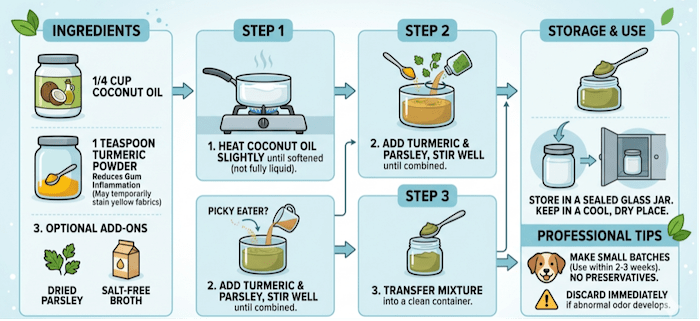
DIY: How to Make a Simple Homemade Dog Toothpaste
If you prefer to use all-natural, additive-free ingredients or need an emergency replacement when you run out of pet toothpaste, you can try this simple formula at home.
Frequently asked questions
- Can you use baking soda to brush a dog’s teeth?
No, baking soda can irritate dogs’ mouths and may cause harm if ingested. It is recommended to use pet-specific toothpaste. - Should I brush my dog’s teeth every day?
Daily cleaning can effectively prevent dental plaque, tartar, and bad breath, and protect gum health; It’s really not possible to do it every day, at least make sure to do it 2-3 times a week. - How can I remove tartar from my dog’s teeth without brushing?
Teeth-cleaning snacks, teeth-cleaning water, and other auxiliary cleaning methods can be used. Severe dental calculus requires medical treatment.
Brushing your dog’s teeth at home doesn’t have to be complicated, but it does need to be done safely and consistently. Choosing the right products, such as pet-specific toothpaste or gentle natural alternatives, can make a big difference to your dog’s overall health. By building a simple routine and avoiding unsuitable options, you can help keep your dog’s teeth clean, healthy, and free from preventable issues.
*Disclosure: Collaborative Post
Thanks for stopping by,
Love you all ❤️
Franca 💋
PIN FOR LATER

Leave a Reply