Ageing parents often experience a world that shrinks quietly. The weekly coffee with a friend. The Tuesday morning exercise class. The Sunday visit to the same church they’ve attended for forty years. Mobility declines, and each of these gets harder to reach. Transport stops being a background detail. It becomes the main obstacle.

Ageing parents, especially those who use wheelchairs, often find that the gap between where life used to happen and where it can now happen is usually a transport problem. Not a healthy one. Solving it doesn’t restore everything—but it restores more than most families expect.
Helping Ageing Parents Stay Connected to Their Community
Why Community Connection Matters for Elderly Wellbeing
Older people in the UK experience social isolation at significant rates. Not rare. Not marginal. Evidence tied to social isolation elderly health impact study shows how reduced social contact is directly linked to measurable declines in both physical health and cognitive function over time.
Research links regular community participation with slower cognitive decline and better physical function in older adults. Group activities, faith communities, and local clubs – attendance at any of these produces measurable effects over time. Not a soft claim. Consistent finding.
For ageing parents, familiar routines carry weight beyond the activity itself. The same weekly group. The same café table. The same faces. When those disappear, the loss feels structural. Getting them back matters more than most families realise until it’s already gone.

Common Barriers Preventing Elderly Parents from Staying Active
Ageing parents often withdraw from community life when mobility becomes unreliable. When a wheelchair becomes necessary, familiar venues can start to feel out of reach before anyone has even checked whether they actually are. That anticipation stops more people than the actual access barriers do.
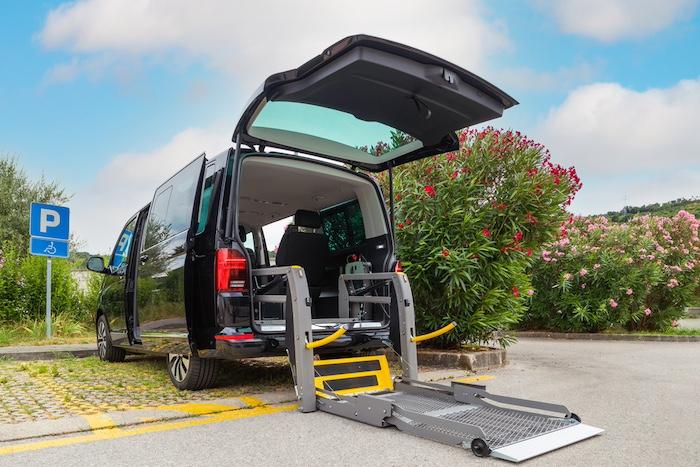
Transport sits at the centre of the problem. Public buses skip accessible stops or run infrequently. Standard taxis don’t fit wheelchairs. For families who need a reliable long-term solution, Allied Mobility’s range of used wheelchair accessible vehicles includes small, medium, and large WAV configurations converted to PAS 2012 standard, with RAC-approved warranties on used stock. Short distances become genuine obstacles without a dependable way to cover them.
Losing a driving licence hits harder than most families anticipate. It represents independence in a direct, daily way. Its loss often marks the start of reduced community participation. Many older adults feel that loss more acutely than the physical decline that caused it.
Public spaces stack barriers. Uneven pavements. Venue steps. Limited seating. Each one is manageable. Together, they push the calculation toward staying home.

Practical Steps for Maintaining Social Connections
Look first at what already exists locally. Community centres, libraries, and faith organisations run seated or low-impact sessions for older adults. These sessions are built around current mobility, not past capability. Two or three regular commitments with a consistent weekly rhythm give structure without pressure.
A shared transport rota within the family distributes the load across siblings or neighbours. Scheduling visits to accessible venues removes the decision fatigue of planning each outing separately. Routine matters more than variety here.
Technology fills gaps between outings. Video calls and online groups help maintain contact when attendance isn’t possible. They work as a supplement. What happens in person cannot be replicated on a screen.
Watch for early signs: outings becoming less frequent, reluctance to commit to plans, social appointments cancelled, and not rescheduled. Patterns build quietly. Data on early signs of social withdrawal in older adults show that these changes often appear before full isolation sets in, when small interventions can still make a measurable difference.
Transport Solutions That Preserve Independence
Local councils run community transport schemes for residents with mobility needs. Charities operate volunteer driver programmes covering door-to-door journeys at low or no cost. Dial-a-Ride services and accessible taxi providers cover one-off trips where scheduled schemes don’t reach.
For families considering ownership, a WAV changes the equation entirely. Outings stop depending on third-party availability. They start depending on when the family wants to go. Used stock is available nationwide across a range of budgets, with RAC-approved warranties worth checking before committing.
The Motability Scheme offers a structured route for eligible individuals to access wheelchair accessible vehicles for sale without paying the full upfront cost. Timing matters. Watch for early signs: outings becoming less frequent, reluctance to commit to plans, and social appointments being cancelled without rescheduling. Patterns build quietly. Data tied to the Motability Scheme eligibility criteria in the UK shows how approval pathways and eligibility checks shape when access becomes available in practice, not just on paper.
When Mobility Equipment Becomes Necessary
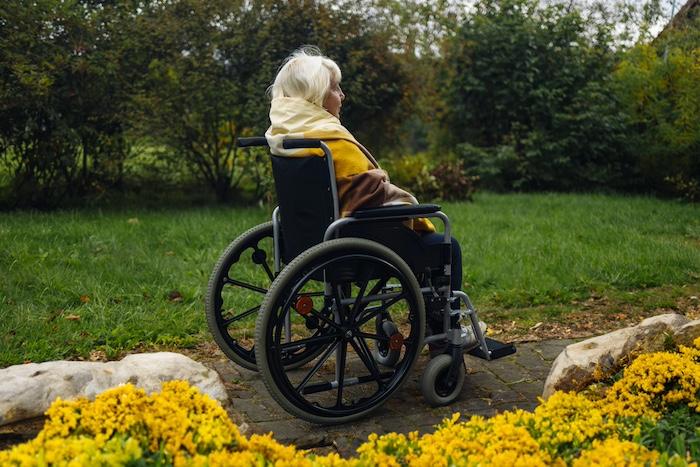
The signals are gradual. Outings are getting less frequent. A parent who used to enjoy going out is now finding reasons not to. Commitments cancelled and not rescheduled. Transport is often the cause, even when nobody names it as one.
An occupational therapist conducts formal assessments to identify which vehicle or transport support would be most suitable. NHS and local authority assessments open access to financial support for mobility equipment. Not automatic. Access tied to NHS mobility equipment funding eligibility in the UK shows how assessment outcomes shape what support is approved and how quickly it becomes available in practice.
The difference between a temporary aid and a long-term solution matters. A walking frame works for a period. What’s needed for continued community participation over the years is a wheelchair and a vehicle built around it. Recognising that shift early means making decisions ahead of a crisis rather than during one.
Mobility shapes whether the connection stays alive or fades quietly in the background. Get the transport right, and familiar routines return. Miss it, and isolation builds without warning. The small decisions made early, vehicle access, support routes, consistent outings, decide whether an elderly parent stays part of their world or slowly steps out of it. Done well, the result is simple. More presence. More continuity. More life where it still matters.
*Disclosure: Collaborative
Thanks for stopping by,
Love you all ❤️
Franca 💋
PIN FOR LATER

Leave a Reply