Our homes play an important role in how we live, work, and spend time together, but their needs can change over the years. A space that once worked perfectly might no longer suit your family’s routines, while everyday clutter or rising household costs can make things feel less comfortable. A home reset doesn’t necessarily mean starting from scratch or investing in expensive renovations. Sometimes, a few thoughtful changes to how you organise, use and maintain your space can make a surprisingly big difference to everyday living.
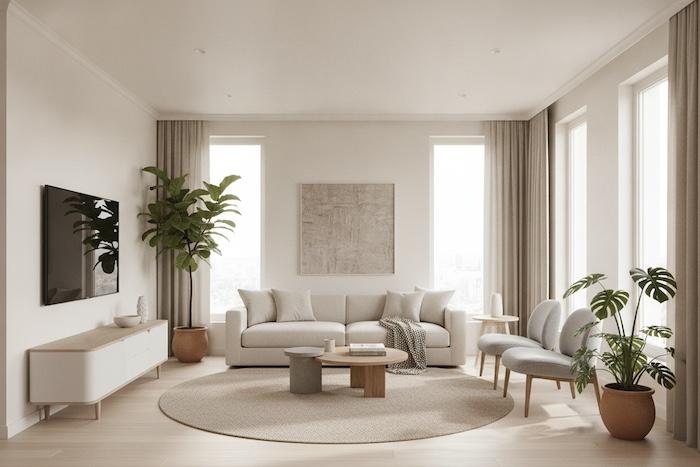
As life changes, your home can’t always keep pace without a few changes. Working patterns change, families grow, and possessions accumulate, leaving once-useful rooms feeling awkward or expensive to run. Taking a fresh look at how you live day to day can uncover practical changes that improve everyday comfort without turning everything into one big renovation project.
Home Reset: How to Make Your Home Work Better for Your Lifestyle
Declutter and rethink how you use each room
Before buying new furniture or storage, work out what’s getting in your way. Notice where clutter repeatedly gathers and which cupboards contain things you haven’t touched for a year. You can then donate, sell or recycle unwanted belongings rather than simply moving them elsewhere.
Next, consider whether each room still earns its place. Perhaps your dining room sits empty most of the week while you squeeze a desk into your bedroom. Switching their functions, or creating a compact workstation in one corner, could give you valuable floor space without any building work.
These small adjustments are a simple way to begin a home reset, helping you make better use of the space you already have before investing in anything new.
Create flexible spaces for changing needs
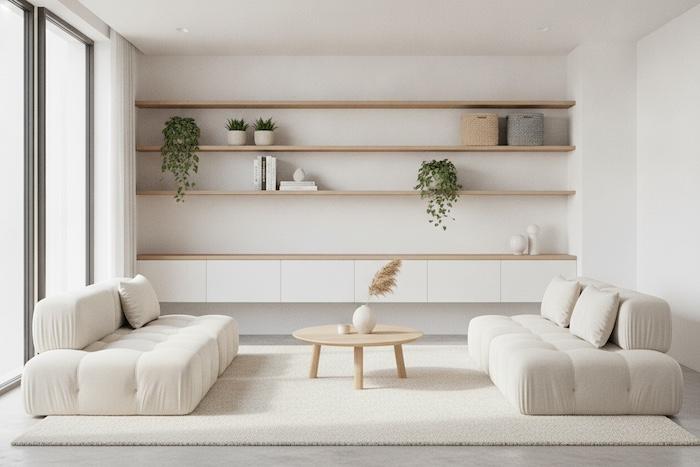
Your rooms don’t have to perform one job permanently. A spare bedroom, for example, might serve as an office during the week, while a sofa bed lets guests stay at weekends.
Choose furniture that makes these transitions straightforward, such as a folding desk, extendable table or storage bench. In a garage, adding suitable flooring and insulation could turn an underused area into a space for exercise or hobbies, although you’ll need to check whether more substantial alterations require planning permission or Building Regulations approval.
Make your surroundings more comfortable and efficient
Look beyond appearances to the things you notice every day. A draught around a window can make the sofa uncomfortable in winter, while poor ventilation may leave a bathroom damp after every shower.
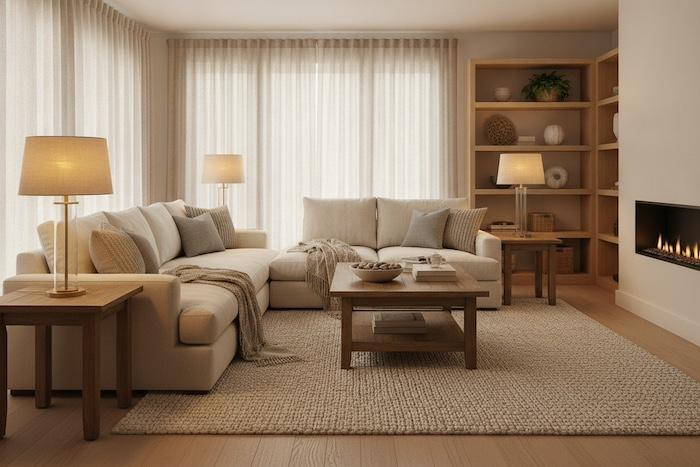
Check obvious draughts, review your heating controls and investigate insulation before automatically replacing your heating system. Improving LED lighting can also help: brighter task lighting makes cooking or working easier, while warmer lamps in living areas create a more relaxing atmosphere.
Spend money where it’ll make a lasting difference
Bigger improvements should solve a genuine problem rather than follow a passing interiors trend. If an extension would give a growing household the space it needs, for example, that may matter more than replacing a perfectly usable kitchen simply because its colour looks dated.
Set a realistic budget first, including a contingency for unexpected costs, then compare that figure with your savings and other funding options. If you’re considering long term loans for substantial work, factor the total interest and repayments into the project cost rather than focusing only on the amount you can borrow.
Giving your home a home reset doesn’t have to happen overnight, and it certainly doesn’t mean changing everything at once. The most effective improvements often come from recognising what isn’t working and finding practical ways to make everyday life easier. Whether that’s clearing out unused belongings, creating a more flexible living space, improving comfort or planning a bigger renovation, start with the changes that will make the greatest difference to your household.
Take things one step at a time, keep your budget in mind and remember that a home should evolve alongside the people who live in it. Ultimately, the goal is to create a space that feels comfortable, works for your current lifestyle and continues to meet your needs as life changes.
*Disclosure: Collaborative Post
Thanks for stopping by,
Love you all ❤️
Franca 💋
PIN FOR LATER

Leave a Reply