Welcoming a puppy into your home is an exciting milestone for any family. A new dog can bring joy, laughter, companionship, and valuable life lessons for both children and adults. However, adding a puppy to your household is also a long-term commitment that deserves thoughtful planning.
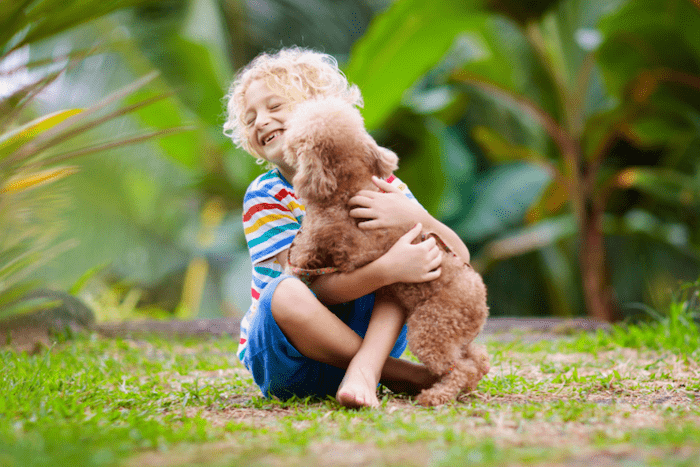
Image from Canva
Before welcoming a puppy into your home, families should understand what daily life with a puppy truly involves. Preparing ahead helps create a smoother transition for everyone, including your newest four-legged family member.
What Families Should Know Before Welcoming A Puppy Into Their Lifestyle
Consider Whether Your Lifestyle Fits A Puppy
Every family has its own schedule, routines, and responsibilities. Before bringing home a puppy, think about how a dog will fit into your everyday life rather than expecting the puppy to adapt immediately.
Puppies require regular feeding, exercise, training, bathroom breaks, and social interaction. Families with busy work schedules, frequent travel, or numerous extracurricular activities should develop a realistic care plan before making the commitment.
Choose A Breed That Matches Your Family
Not every breed has the same personality, energy level, or care requirements. Some dogs thrive in active households with plenty of outdoor adventures, while others are happiest in quieter environments.
Researching different breeds allows families to find one that matches their lifestyle instead of choosing solely based on appearance. Factors such as size, grooming needs, temperament, and exercise requirements all contribute to long-term happiness for both the dog and the family.

Prepare Your Home Before Arrival
A puppy explores the world through curiosity, which often means chewing, sniffing, and investigating everything within reach. Puppy-proofing your home helps prevent accidents and keeps valuable belongings safe.
Store cleaning products securely, hide electrical cords, remove choking hazards, and create a designated sleeping area before your puppy arrives. Having food bowls, toys, bedding, and a properly sized crate ready makes those first few days far less stressful.
Understand The Financial Commitment
Owning a puppy involves much more than the initial purchase or adoption fee. Veterinary care, vaccinations, food, grooming, training classes, toys, insurance, and unexpected medical expenses should all be included in your budget.
Planning for these ongoing costs helps families avoid financial surprises. Investing in preventive care often reduces the likelihood of larger veterinary bills later.
Make Training A Family Effort
Consistency is one of the biggest factors in successful puppy training. Every family member should understand the same rules and expectations to avoid confusing the puppy.
Simple commands such as sit, stay, come, and leave it become much easier to teach when everyone uses the same words and rewards positive behaviour. Children should also learn how to interact respectfully and safely with the puppy from the beginning.

Prioritise Early Socialisation
The first several months of a puppy’s life play a significant role in shaping future behaviour. Introducing your puppy to different people, sounds, environments, and experiences builds confidence and reduces fear later in life.
Positive socialisation should happen gradually and safely. Meeting friendly dogs, visiting pet-friendly locations, and experiencing different situations help puppies develop into well-adjusted adult dogs.
Establish Healthy Daily Routines
Dogs thrive on predictable schedules. Regular feeding times, bathroom breaks, walks, play sessions, and bedtime routines help puppies feel secure while making training much easier.
Families also benefit from routine because everyone understands their role in caring for the puppy. Shared responsibilities teach children accountability while ensuring the puppy receives consistent care throughout the day.
Think About Travel Plans
Families who enjoy vacations or weekend getaways should consider how their puppy will fit into those plans. Some dogs travel comfortably, while others may require boarding, pet sitters, or care from trusted friends or relatives.
Planning ahead reduces stress for everyone involved. Looking into pet-friendly accommodations and transportation options before booking trips makes travelling with a dog much more enjoyable.

Choose A Responsible Breeder
Where a puppy comes from can have a lasting impact on its health, temperament, and overall well-being. Responsible breeders prioritise proper health screenings, early socialisation, and ethical breeding practices that support healthier puppies.
Families looking to learn more about responsible breeding practices can find out more from HonestPet, which emphasises ethical breeding and responsible puppy placement. Taking time to understand these standards helps families make informed decisions when selecting a puppy.
Prepare Children For Their New Responsibilities
Many children dream of having a puppy, but caring for one requires patience and consistency. Parents should explain that dogs are living companions with daily needs rather than temporary entertainment.
Age-appropriate responsibilities, such as helping refill water bowls, brushing the dog’s coat, or assisting with supervised training sessions, help children develop empathy and responsibility. These small tasks also strengthen the bond between children and their new pet.
Be Patient During The Adjustment Period
Every puppy needs time to adapt to a new environment. It is normal for puppies to experience accidents, interrupted sleep, or moments of anxiety while learning their new routine.
Families should approach these challenges with patience and realistic expectations. Positive reinforcement, consistency, and encouragement help puppies build confidence and trust as they settle into their new home.
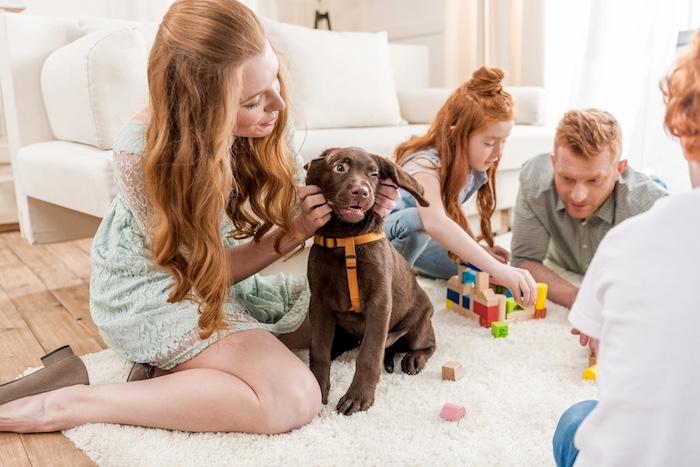
Focus On Building A Lifelong Relationship
Welcoming a puppy is about much more than enjoying the adorable early months. Dogs become loyal companions who share countless family memories over many years.
Daily walks, playtime, training, and quiet moments together all strengthen the relationship between a family and their dog. The time invested during those early months lays the foundation for a lifetime of companionship, trust, and unconditional love.
Conclusion
Welcoming a puppy into your family is a rewarding experience, but it is also a significant responsibility. Careful planning, realistic expectations, and thoughtful preparation create the best possible environment for both the puppy and the people welcoming it home.
By choosing the right dog, establishing healthy routines, investing in training, and committing to responsible care, families can enjoy years of companionship and unforgettable memories. A well-prepared household gives a puppy the opportunity to thrive while enriching family life in countless meaningful ways.
*Disclosure: Collaborative Post
Thanks for stopping by,
Love you all ❤️
Franca 💋
PIN FOR LATER

Leave a Reply