Large dog breeds carry more weight through every step. That extra weight puts pressure on their hips, knees, and shoulders. Owners often notice stiffness or slower movement as these dogs get older. This tends to show up most after long walks or an active play session.
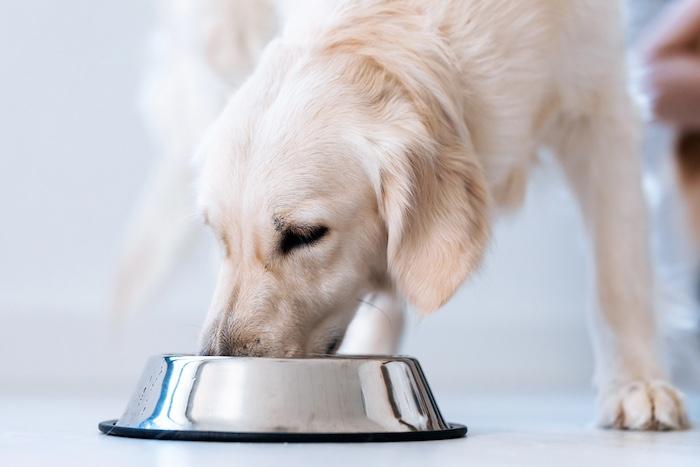
Diet plays a bigger role in joint comfort than many people realise. Fresh, high-quality ingredients give a large dog’s body real building blocks for strong joints and steady movement over time.
How Fresh Meals Help Support Healthy Joints in Large Dogs
Joint Stress and Large Dogs
Large breeds like Labradors, German Shepherds, and Great Danes carry significantly more body weight than smaller dogs. That added weight travels through the same joints every day. Walking, jumping, and even standing up all place demands on those same joints. Over time, this repeated stress can wear down cartilage and slow a dog’s pace. Genetics also play a role, since many large breeds are prone to hip and elbow issues. These issues can start showing up from a fairly young age. Early signs of discomfort give owners a chance to adjust care before problems get worse. Knowing what to watch for helps.
Common signs of joint discomfort in large dogs include the following:
- Slower Rising: A dog that takes longer to stand up after resting may be dealing with joint stiffness.
- Reduced Activity: Dogs that start avoiding stairs or jumping onto furniture might be protecting sore joints.
- Visible Limping: Occasional or intermittent limping often points to joint pain that deserves a vet’s attention.
Age isn’t the only factor at play here. Body weight, activity level, and even the surfaces a dog walks on can add extra strain over time. A dog that spends most of its day on hard floors may show signs of stiffness sooner. One with regular access to soft grass and gentle exercise often fares better. Nutrition sits right alongside these lifestyle factors. A large dog’s diet directly affects how well its joints hold up over the years.
Fresh, Protein-Rich Meals for Joint Support
Quality protein gives a dog’s muscles and connective tissue the raw materials they need to repair themselves. Highly processed kibble often relies on lower-grade protein sources and fillers. These ingredients don’t support tissue repair as well as fresh food does. Many popular dry foods lean heavily on plant-based fillers to help cut production costs. Fresh meals made with human-grade protein give large dogs a more direct source of nutrition.
Wild-caught fish and Certified Organic chicken are two examples of that kind of protein. Owners increasingly compare ingredient labels before choosing a long-term food brand for their large, active dogs. Many owners looking for this kind of quality shop at California Dog Kitchen. There, meals are gently cooked to help preserve nutrients rather than processed at high heat.
Gentle cooking methods matter because excessive heat can break down some of the nutrients dogs need most. Lower temperatures and shorter cooking times help keep a protein’s original structure intact. Dogs tend to digest these gently prepared proteins more efficiently than heavily processed alternatives. That efficiency matters even more for large breeds already carrying extra body weight.
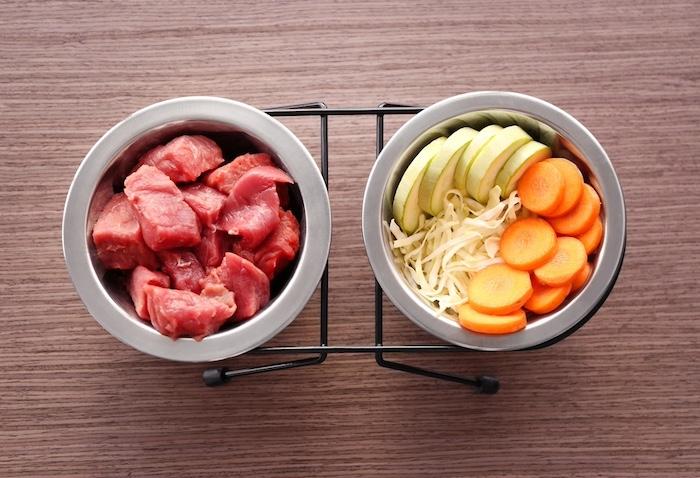
Key Nutrients That Support Cartilage and Mobility
Protein alone doesn’t tell the whole story of joint health. Several nutrients work together to keep cartilage flexible and reduce everyday wear. Fresh, gently cooked meals tend to retain more of these nutrients than heavily processed food. Less heat generally means less nutrient loss along the way.
- Quality Protein Sources: Wild-hunted venison, wild-caught fish, and Australian lamb provide amino acids that support muscle and connective tissue.
- Allergy-Conscious Options: Grain-free and chicken-free formulas help dogs with sensitivities avoid ingredients that can trigger inflammation.
- Gentle Cooking Methods: Foods cooked at lower temperatures often retain more of their original nutrient value than heavily processed kibble does.
Dogs with food sensitivities need extra care when choosing protein sources. A dog that reacts poorly to chicken may do much better on a fish or lamb-based formula. Your dog’s skin, coat, and energy levels after a food switch can reveal a lot. These small changes often show up before more obvious symptoms do.
Fresh Meal Portions for Large Breeds
Large dogs need enough food to maintain a healthy weight without overfeeding. Extra pounds add even more strain to joints that are already under pressure. Fresh food that arrives pre-portioned makes this easier to manage day to day. That convenience matters most for owners juggling busy schedules.
A Simple Feeding Guideline
- Base Portion Size: Many fresh food programs use one four-ounce cube for every ten pounds of body weight per day.
- Adjustments for Life Stage: Puppies, pregnant dogs, and nursing mothers typically need two to three times the standard portion.
- Weight Monitoring: Checking your dog’s weight during the first two weeks after switching foods helps you fine-tune portions.
Online feeding calculators can help owners figure out a reasonable starting point. Every dog’s activity level and metabolism are a little different, though. Slow portion adjustments tend to work better than sudden changes. Regular checks on your dog’s body condition help guide those adjustments over time.
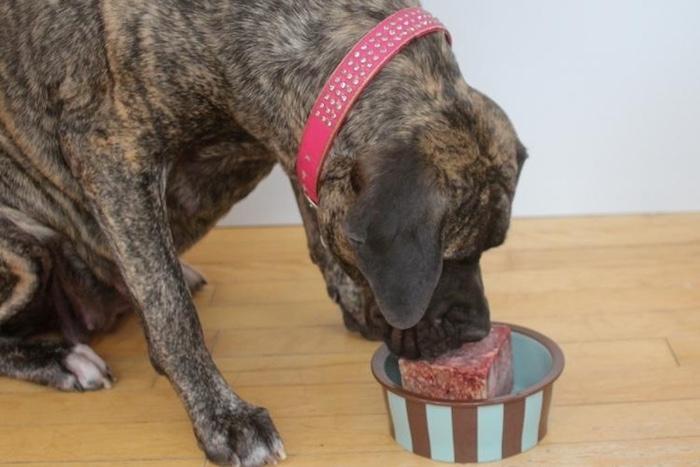
Image by Marie-Josée Damcio from Bien-Vivre Canin via Canva
Storage and Sustainability Worth Knowing
Fresh food only works well if it’s stored and served properly. Frozen meals need to stay frozen until you’re ready to use them. From there, they move to the refrigerator to thaw. Most fresh dog food should be used within about five days of defrosting.
- Frozen Storage: Keeping meals frozen until you’re ready to serve them helps preserve freshness and nutrient quality.
- Refrigerated Defrosting: Defrosting food in the refrigerator rather than at room temperature keeps meals safer to feed.
- Compostable Packaging: Some fresh food brands, including California Dog Kitchen, use packaging made from kraft paper and vegetable-based liners. This packaging breaks down in an industrial composting environment within about 180 days.
The packaging itself matters more than some owners realise. Plastic pet food bags contribute to long-term waste that sticks around for generations. Brands built around compostable materials are addressing a problem well beyond a single dog’s bowl. That kind of choice tends to appeal to owners who already think carefully about what goes into their pet’s diet.
Conclusion
Joint health rarely improves overnight, but consistent nutrition habits add up over months and years. Fresh, protein-rich meals give large dogs a steady source of nutrients their joints depend on. Regular vet checkups, appropriate exercise, and a healthy weight round out a solid approach to long-term joint care. A dog that stays lean and moves often tends to keep its mobility longer.
Small daily choices in what you feed your dog can make a real difference over time. Gradual changes tend to be easier to stick with than a sudden overhaul.
*Disclosure: Collaborative Post
Thanks for stopping by,
Love you all ❤️
Franca 💋
PIN FOR LATER


Leave a Reply