Finding a bra that actually fits feels a bit like wizardry. One minute you think you’re a 34C, the next a fitter tells you you’re a 30E, and suddenly every bra you own feels like a medieval torture device.

If you’re constantly yanking at straps, unhooking your bra the second you get home, or dealing with back pain, it’s worth going back to basics. Here are 5 ways to find the right fitting bra that actually supports you, rather than just hanging on your body out of habit. For those with fuller busts, support and style go hand in hand with brands like Curvy Kate, offering everything from everyday bras and briefs to shapewear and swimwear.
5 Ways to Find the Right Fitting Bra That Actually Supports You
1. Measure properly (but don’t obsess over the number)
Most of us were measured once as teenagers in a department store and just stuck with that size forever. Bodies change. A lot. Weight gain or loss, hormones, pregnancy, the pill, peri-menopause, gym routines, simply getting older – all of it can change your bra size.
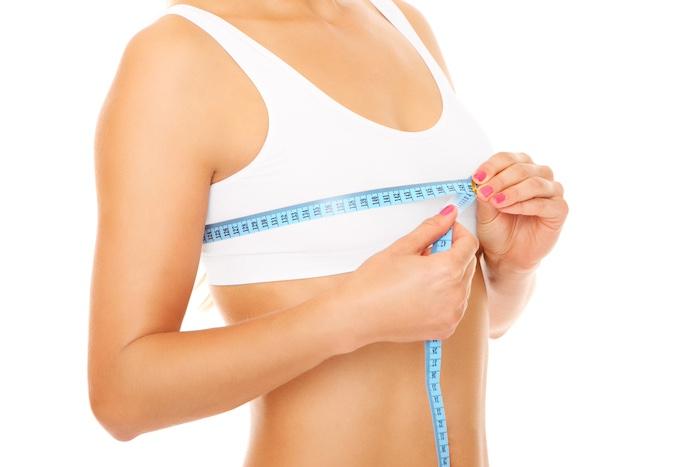
A good starting point is to measure two things at home with a soft tape:
- Your band size
Wrap the tape snugly around your ribcage, right under your bust. Keep it level and reasonably firm, as that band will do most of the supporting work. In the UK, the number you get in inches is usually your band size, so 30, 32, 34 and so on. If you land between sizes, try the smaller band first, as a firmer band typically gives better support than a loose one. - Your bust measurement
Measure around the fullest part of your bust, again keeping the tape level but not digging in. The difference between this and your band measurement helps indicate your cup letter.
Online bra size calculators and bra size charts for UK sizes can give you a first guess, and many will also convert US or EU sizes into UK sizing if you’re shopping online. Just remember that size is a starting point, not a fixed identity. Brands and styles vary, just like jeans.
2. Learn the signs of a bra that actually fits
Forget the label for a moment. The best test is how the bra sits on your body. A right fitting bra should tick these boxes:
- The band
It should sit level all the way round your body, parallel to the floor, and feel firm but not painful. If it’s riding up at the back, the band is probably too big, and you’re relying on the straps for support. Try going down a band size and maybe up a cup size to balance it out. - The centre front
The bit in the middle between the cups (the gore) should lie flat against your chest. If it’s hovering or digging into breast tissue, the cups are usually too small, or the shape isn’t right for you. - The cups
Your breast should sit fully inside the cup—no double‑boob bulging over the top or at the sides, and no gaping or wrinkling. If you’re spilling out, go up a cup size. If the fabric is wrinkling or standing away from your body, try a smaller cup or a different style. - The underwire
Wires should sit neatly around the root of your breast, not on top of tissue. They should extend right to the side of your body, behind the breast, and not poke into your armpit. If they’re digging in or ending halfway across your boob, the cup is too small or the wrong shape. - The straps
Straps are there to keep the bra in place, not to hold your boobs up by themselves. You should be able to slide two fingers under them. If they’re carving dents into your shoulders, tighten the band or try a smaller band size.
Once you’ve seen what a good fit looks like, anything less starts to feel intolerable, which is precisely what you want.
3. Stop being loyal to one size and start using sister sizes
You know when you try on your “usual” size, and it feels too tight in one brand and too loose in another? That’s where sister sizes come in.
Sister sizes are bra sizes that have the same cup volume but different band sizes. For example, in UK sizing:
- 32D, 34C, and 30DD have very similar cup volumes but differ in band size.
If the cups fit well but the band is too tight, go up a band size and drop a cup size. If a 32E feels like a boa constrictor around your ribs but the cup is spot on, consider a 34DD. If the band is too loose but the cups are right, go down a band and up a cup, so 34D becomes 32DD.
Getting your head around sister sizes is one of the easiest ways to find the right-fitting bra in brands that all size differently. It also massively widens your options when specific sizes are sold out.

4. Look at the shape of your boobs, not just the size
Two people can both be a 34F and need completely different bras. Breast shape matters as much as the number on the label.
Some everyday things to notice:
- Are you fuller at the bottom or the top?
If you’re fuller on top, some balconette bras might cut across the upper part of your breast and cause spillage. If you’re fuller on the bottom, a very full‑cup style might gape at the top and make you think the cup is too big when it’s really the shape that’s wrong. - Are your boobs close‑set or wide‑set?
If they sit close together, high gores (the part in the middle) can dig in or never lie flat entirely, and plunge styles might feel better. If they’re wider apart, certain plunge bras may not provide the support you want. - Are they more projected or more shallow?
Some people need more bottomless cups that project forward, others suit more open, shallow cups. If you’re constantly getting wrinkling in the bottom of the cup but tightness at the top, the shape is probably off.
There are whole communities online dedicated to helping you with the right fitting bra and breast shape, and they’re invaluable if you’re wearing larger cup sizes, post‑surgery, nursing, or have asymmetry. Providing a fitter with a quick description such as “full on bottom and close‑set” can significantly affect their recommendations.
5. Get a proper fitting and then check in regularly
Many UK lingerie shops now offer a free right fitting bra, both in person and online. A good fitter won’t just shove you into a 34C because that’s what you’ve always worn. They’ll assess how your current bra fits, suggest alternative sizes and styles, and explain what they’re seeing so you can understand it too.
A few tips:
- Go in wearing your usual everyday bra so they can see what you’re used to.
- Don’t be shy about feeding back. If a bra feels too tight to breathe in, say so. If you feel like you’re falling out of the middle, say so.
- Try on a few different styles: plunge, balconette, full cup, maybe a non‑wired option. You might be surprised by what actually works on your body.
Then, every year or so, or after any significant change in weight, health or hormones, treat yourself to another fitting. Think of it like checking your eyesight. You wouldn’t keep the same glasses prescription for a decade, so why are you still clinging to that old 34B?
Once you’ve cracked how to find the right fitting bra, clothes sit better, straps stop falling in meetings, and that constant low‑level discomfort lots of people live with suddenly disappears. It’s such a small thing on paper, but getting it right can change how you feel in your body every single day.
Thanks for stopping by,
Love you all ❤️
Franca 💋
PIN FOR LATER

Leave a Reply