Hiking is a term loaded with assumptions. We often picture a young person using hiking poles to trudge up a long alpine path – someone with survival skills and a good level of fitness. But since the pandemic, more people have taken up hiking, and it’s become a casual activity. It has always been the case, but trends help demonstrate to others that it’s possible.

Below, you’ll find a closer look at why soft hiking is gaining popularity, how it supports wellbeing, and how embracing a slower pace can make time in nature more accessible and enjoyable for everyone.
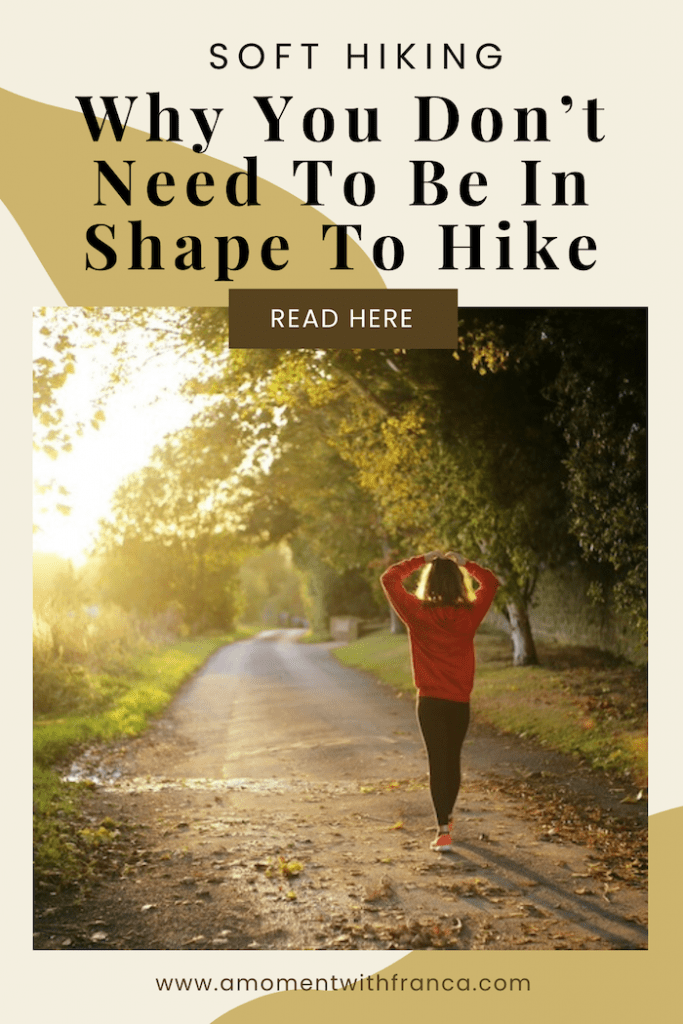
Soft hiking: Why you don’t need to be in shape to hike
Why soft hiking is a wellness reset
Soft hiking is all about rejecting the pressure to perform. Forget the fitness trackers and hustle culture – you’re not looking to beat personal bests or even push yourself in general (though this inevitably happens, often accidentally). It’s actually about decoupling health from intensity. Sure, it’s important sometimes to get our hearts racing, but soft hiking provides plenty of zone 2 benefits with even the most gentle of trails.
Research shows that being in green spaces lowers cortisol levels and boosts mood. This is obvious, but many people don’t do it, in part because it feels like they’re not that kind of person (a hiker). Treating it as a leisurely walk helps overcome this mental block, and before you know it, you can quickly find some pretty rural and wild trails.
Nature should be accessible
The most important part of the soft hiking trend is showing that it’s for anyone, big or small, old or young. By sticking to well-maintained trails, there is no knowledge gap, especially in areas like Western Europe, where there are few dangerous animals, plants, or climates.
This inclusive mindset has meant more than just our local parks filling up with more walkers – it’s led people to explore iconic routes. Multi-day hiking needn’t be any more exclusive. In fact, when booking trips with the likes of Orbis Ways, there is no camping or worrying about survival – all hotels are booked for you and the routes are provided. Yet, over a week, you may have covered well over 100km, seeing various national parks, villages, and wild spaces.
How to embrace slowing down
Many people overextend themselves and then become deterred, believing it’s not for them. When you’re panting and sweating five minutes into your trek, it’s because you’re ascending without having warmed up (you’ve probably just spent an hour sitting in a car to get to the base of a mountain). This means you need to wear layers so you can remove them quickly, and you must start slowly, strolling below your potential, giving yourself some cardiovascular headroom.
You don’t need poles or mountain boots – sneakers and a light jacket will often do, depending on the area. It’s better to make it only halfway and return, having learned a lesson about footwear, than to never attempt it because you don’t have $200 boots.
Slow hiking isn’t about counting steps or burning calories – it’s just the baseline experience of walking itself. Soaking in the sounds and sights while being out in the fresh air is enough. We can extend this to a week-long pilgrimage without violating these rules.
Conclusion
Soft hiking offers a reminder that movement doesn’t have to be intense or goal-driven to be meaningful. By slowing down, listening to your body, and reconnecting with nature at your own pace, hiking becomes less about performance and more about presence. Whether it’s a gentle walk along a forest path or a quiet moment to pause and breathe, soft hiking makes the outdoors feel welcoming, accessible, and restorative for everyone.
*Disclosure: Collaborative Post
Thanks for stopping by,
Love you all ❤️
Franca 💋
PIN FOR LATER

Leave a Reply